Pearl Harbor at 85: The Morning of December 7, 1941
A submarine sighted at 6:37 a.m. A radar blip at 7:02. The first planes at 7:55. Eighty-five years later, the morning of December 7, 1941, as the record tells it.
At 6:37 a.m., the officer of the deck on the destroyer USS Ward reported something in the water outside Pearl Harbor: the conning tower of a small submarine, following a Navy supply ship toward the harbor entrance.
At 6:45, the Ward opened fire and dropped depth charges. Her commanding officer sent a message to headquarters: "We have attacked, fired upon, and dropped depth charges on a submarine operating in defensive sea areas."
It was Sunday morning on Oahu. The submarine was one of five Japanese midget submarines sent to the attack. None of them returned. The planes were already on their way.
Eighty-five years later, this is that morning as the National Park Service, the Naval History and Heritage Command, and the National Archives record it. Times are Hawaii time.
More American Memories
Explore Our "Remember When" Archive of Treasured Decades →7:02 a.m.: A blip on the radar
On the north shore of Oahu, at a mobile radar station called Opana, two Army privates, Joseph Lockard and George Elliott, saw a very large return on their screen. It was about 130 miles north of the island.
They reported it. The officer on duty at the information center, Lieutenant Kermit Tyler, took it to be a flight of American B-17 bombers expected from the mainland that morning. The Park Service notes that radar was still new, and that the center was not fully staffed. No further action was taken.
The plot of what Lockard and Elliott saw survives. It is a sheet of paper about 22 by 31 inches, and it is now in the National Archives.
7:55 a.m.: The first wave
The Japanese force had come from six aircraft carriers. The Naval History and Heritage Command counts 353 planes in two waves. The first wave, 183 aircraft, was led by Commander Mitsuo Fuchida. According to the Park Service, he radioed back the code words tora, tora, tora, the signal that surprise had been achieved.
At 7:55, the planes struck Pearl Harbor and the airfields around it.
Within minutes, a dispatch went out to the fleet. The original is in the National Archives. It reads, in the telegraph style of the day: "AIR RAID ON PEARL HARBOR X THIS IS NOT DRILL."
8:06 a.m.: The Arizona
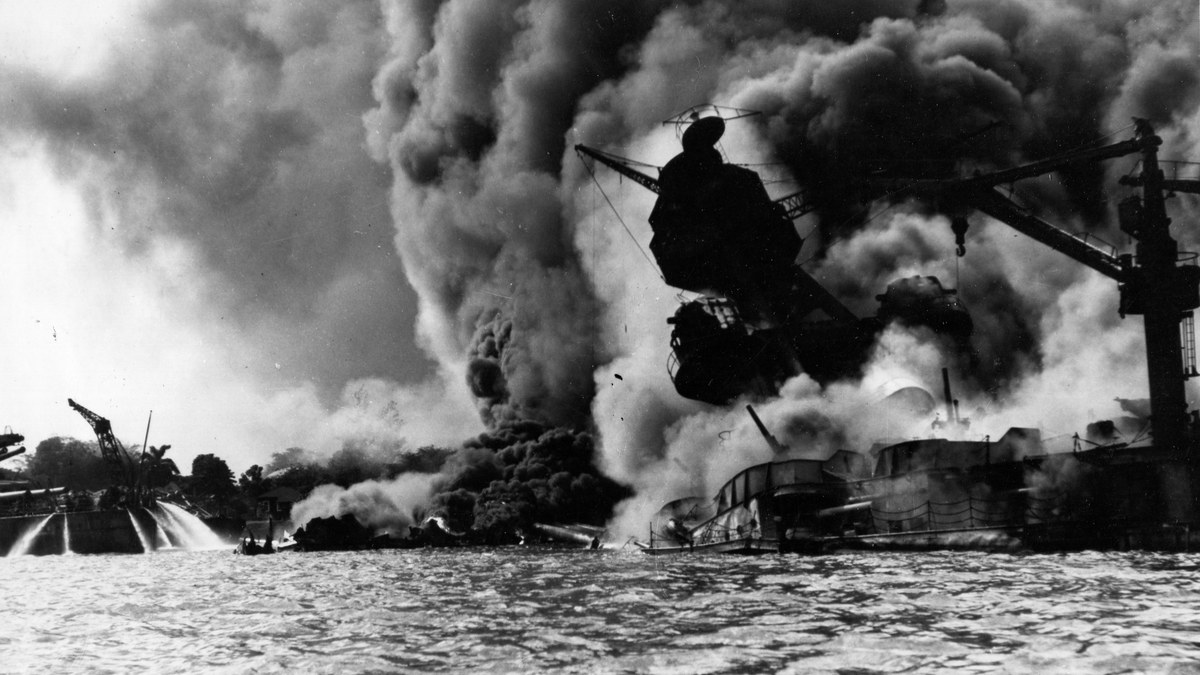
On Battleship Row, the USS Arizona was hit. A bomb set off her forward magazines, and the explosion destroyed the ship. Navy records put it at about 8:06. The Park Service counts 1,177 sailors and Marines killed aboard her.
Moments later, the USS Oklahoma rolled over. Hit by torpedoes, she capsized within about 12 minutes of the first torpedo hit. Four hundred twenty-nine of her crew died.
On the USS West Virginia, a sailor named Doris Miller helped move his mortally wounded captain, then manned a machine gun until he was ordered off the bridge. He received the Navy Cross. The Naval History and Heritage Command notes that he was the first Black American to receive it.
8:50 a.m.: The second wave
After a short lull, the second wave arrived at about 8:50, according to the Park Service. By about 9:45, the Naval History and Heritage Command says, the last Japanese planes had left.
Survivors remembered the scene in interviews for the Library of Congress Veterans History Project. Richard Paull, who served on the USS Nevada, recalled "so much smoke in the harbor, it just blocked out the sun."
Norwood Teague of the USS Tennessee put it this way: "That was the day. Total devastation, total amazement, dazed. But we were doing our job. We had to do our job, didn't think beyond just that."
The count
By 10 a.m., 21 American naval vessels had been sunk or damaged. The Park Service lists 2,403 Americans killed and 1,178 injured. In the Navy's breakdown, 68 of the dead were civilians. The National Archives says 188 aircraft were lost or badly damaged.
The Arizona was never raised. She still rests where she sank.
December 8: "A date which will live in infamy"
The next day, at 12:30 p.m. Eastern time, President Franklin D. Roosevelt went before a joint session of Congress. He spoke for about six minutes, and the country listened on the radio.
His first draft, now at the National Archives, had called December 7 "a date which will live in world history." Roosevelt crossed out "world history" and wrote "infamy." He also changed "simultaneously" to "suddenly." The words he spoke said that the United States "was suddenly and deliberately attacked by naval and air forces of the Empire of Japan."
Congress voted right after the speech and declared war. The Senate vote was 82 to 0. The House vote was 388 to 1. The lone vote against was Representative Jeannette Rankin of Montana.
- Oil still rises from the Arizona, a few drops at a time. The Park Service estimates that about half a million gallons remain in the ship, and it describes the drops as "the tears of the fallen."
- The last survivor of the USS Arizona, Lou Conter, died on April 1, 2024.
- The Park Service holds a remembrance ceremony at Pearl Harbor every December 7.
-
🏛️
Pearl Harbor National Memorial and the USS Arizona Memorial, Honolulu: nps.gov ↗
-
🏛️
The Opana radar plot and the "NOT DRILL" dispatch, National Archives: archives.gov ↗
-
🏛️
Roosevelt's annotated draft of the speech, Franklin D. Roosevelt Presidential Library: fdrlibrary.org ↗
-
🏛️
Survivor interviews, Library of Congress Veterans History Project: loc.gov ↗
-
🏛️
Battleship Missouri, Pearl Harbor Aviation Museum, and USS Bowfin, partner sites listed by the Park Service: nps.gov ↗
Join the Conversation
"Did someone in your family serve in World War II, or tell you where they were when they heard about Pearl Harbor?"
DailyVibeX American History Community
- National Park Service, Pearl Harbor minute-by-minute timeline: https://www.nps.gov/valr/learn/historyculture/timeline.htm ↗
- National Park Service, "The Pearl Harbor Attack": https://www.nps.gov/articles/pearlattackww2.htm ↗
- National Park Service, Battleship Row: https://www.nps.gov/perl/learn/historyculture/battleship-row.htm ↗
- National Park Service, USS Oklahoma: https://www.nps.gov/perl/learn/historyculture/uss-oklahoma.htm ↗
- National Park Service, Opana mobile radar site: https://www.nps.gov/perl/learn/historyculture/opana-mobile-radar-site.htm ↗
- National Park Service, military casualties: https://www.nps.gov/valr/learn/historyculture/military-casualties.htm ↗
- National Park Service, National Pearl Harbor Remembrance Day: https://www.nps.gov/valr/learn/historyculture/national-pearl-harbor-remembrance-day.htm ↗
- National Park Service, "Underwater at the USS Arizona": https://www.nps.gov/perl/learn/underwater-at-the-uss-arizona.htm ↗
- National Park Service, Teaching with Historic Places, USS Arizona: https://www.nps.gov/teachers/classrooms/18arizona.htm ↗
- National Park Service, passing of USS Arizona survivor Lou Conter: https://www.nps.gov/perl/learn/news/passing-of-uss-arizona-survivor.htm ↗
- Naval History and Heritage Command, Pearl Harbor overview and casualty table: https://www.history.navy.mil/browse-by-topic/wars-conflicts-and-operations/world-war-ii/1941/pearl-harbor.html ↗
- Naval History and Heritage Command, USS Ward action report: https://www.history.navy.mil/research/archives/digital-exhibits-highlights/action-reports/wwii-pearl-harbor-attack/ships-s-z/uss-ward-dd-139-action-report.html ↗
- Naval History and Heritage Command, USS Tangier action report: https://www.history.navy.mil/research/archives/digital-exhibits-highlights/action-reports/wwii-pearl-harbor-attack/ships-s-z/uss-tangier-av-8-action-report.html ↗
- Naval History and Heritage Command, Japanese midget submarines: https://www.history.navy.mil/our-collections/photography/wars-and-events/world-war-ii/pearl-harbor-raid/japanese-forces-in-the-pearl-harbor-attack/japanese-midget-submarines-used-in-the-attack-on-pearl-harbor.html ↗
- Naval History and Heritage Command, Japanese aircraft during and after the raid: https://www.history.navy.mil/our-collections/photography/wars-and-events/world-war-ii/pearl-harbor-raid/japanese-forces-in-the-pearl-harbor-attack/japanese-aircraft-during-and-after-the-raid.html ↗
- Naval History and Heritage Command, H-Gram 001: https://www.history.navy.mil/about-us/leadership/director/directors-corner/h-grams/h-gram-001/h-001-1.html ↗
- Naval History and Heritage Command, Doris Miller: https://www.history.navy.mil/browse-by-topic/diversity/african-americans/miller.html ↗
- Naval History and Heritage Command, Doris Miller's Navy Cross citation: https://www.history.navy.mil/browse-by-topic/diversity/african-americans/miller/doris-millers-navy-cross-citation.html ↗
- National Museum of the U.S. Navy, Pearl Harbor fact sheet: https://www.history.navy.mil/content/history/museums/nmusn/education/educational-resources/the-date-that-lives-in-infamy--pearl-harbor--high-school-/the-aftermath/pearl-harbor-fact-sheet.html ↗
- National Museum of the U.S. Navy, damage reports: https://www.history.navy.mil/content/history/museums/nmusn/education/educational-resources/the-date-that-lives-in-infamy--pearl-harbor--high-school-/the-aftermath/damage-reports.html ↗
- National Archives, "Pearl Harbor" legislative feature (Opana radar plot): https://www.archives.gov/legislative/features/pearl-harbor ↗
- National Archives, Remembering Pearl Harbor primary sources (dispatch NAID 596244): https://www.archives.gov/files/citizen-archivist/images/12-07-2021-remembering-pearl-harbor.pdf ↗
- National Archives, "Joint Address to Congress Leading to a Declaration of War Against Japan": https://www.archives.gov/milestone-documents/joint-address-to-congress-declaration-of-war-against-japan ↗
- National Archives, Prologue, "Crafting the Day of Infamy Speech": https://www.archives.gov/publications/prologue/2001/winter/crafting-day-of-infamy-speech.html ↗
- National Archives, USS Arizona burning (NAID 520601): https://www.archives.gov/research/still-pictures/highlights/uss-arizona-burning ↗
- Library of Congress, CINCPAC dispatch: https://www.loc.gov/item/mcc.002/ ↗
- Library of Congress, Today in History, December 7: https://www.loc.gov/item/today-in-history/december-07/ ↗
- Library of Congress, Veterans History Project, Richard M. Paull: https://www.loc.gov/item/afc2001001.00861/ ↗
- Library of Congress, Veterans History Project, Norwood Teague: https://www.loc.gov/item/afc2001001.11110/ ↗
- Franklin D. Roosevelt Presidential Library, Document of the Month, December: https://www.fdrlibrary.org/document-december ↗
- American Presidency Project, Address to Congress Requesting a Declaration of War with Japan: https://www.presidency.ucsb.edu/documents/address-congress-requesting-declaration-war-with-japan ↗
- U.S. Senate, declarations of war: https://www.senate.gov/about/powers-procedures/declarations-of-war.htm ↗
- U.S. House of Representatives, History, Art and Archives, Jeannette Rankin: https://history.house.gov/People/Listing/R/RANKIN,-Jeannette-(R000055)/ ↗
- U.S. House of Representatives, History, Art and Archives, tally sheet: https://history.house.gov/HouseRecord/Detail/15032449727 ↗
Sponsored Historical & Heritage Features
Step Into Pine Hollow: 20 Complete American Stories
Warm, character-rich tales of small-town resilience, family heirlooms, and neighborly kindness.
Explore All 20 Stories →More Surprising American History
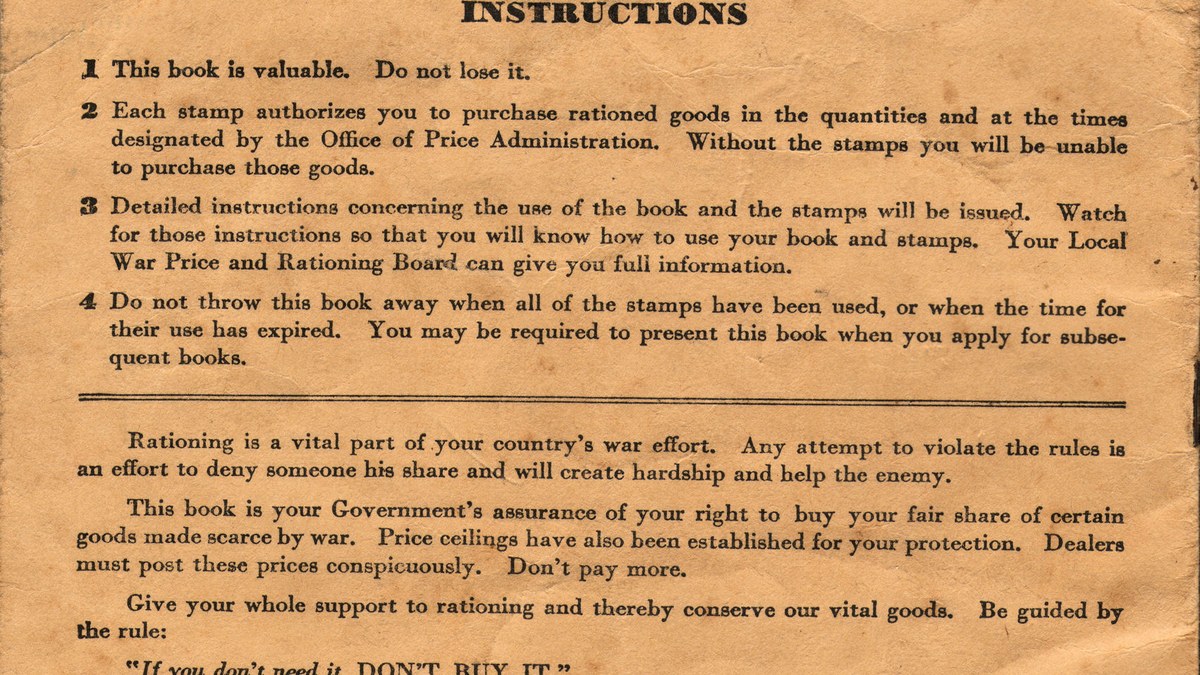
When America Rationed Coffee: November 29, 1942
On November 29, 1942, Americans over 15 could buy one pound of coffee every five weeks, starting with stamp No. 27. Here is why, and how the country made it last.
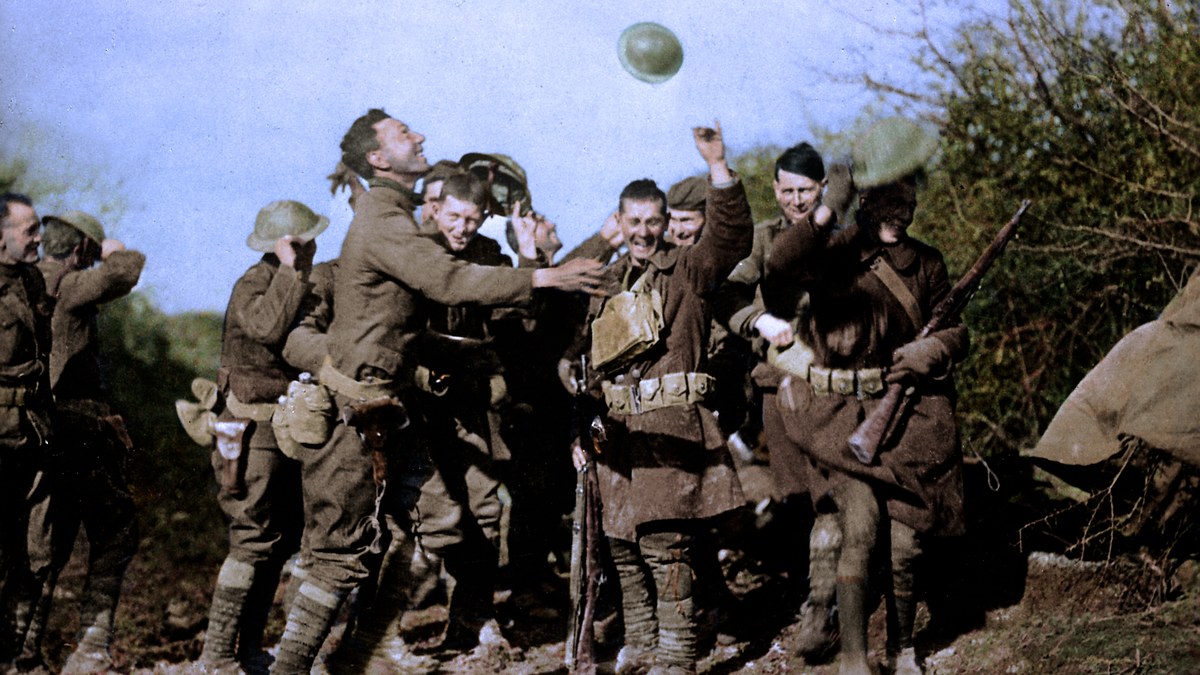
Why Veterans Day Is on November 11
The date comes from one hour in 1918. The name came from a veteran in Birmingham, Alabama. And for a few years in the 1970s, the holiday wasn't in November at all.
Did Paul Revere Really Shout "The British Are Coming"?
The line everyone learned isn't in any of Revere's own accounts. What he did that night, in his own words, is a better story than the poem.