Can You Stand on One Leg for 10 Seconds? A 7-Year Study Says It Matters
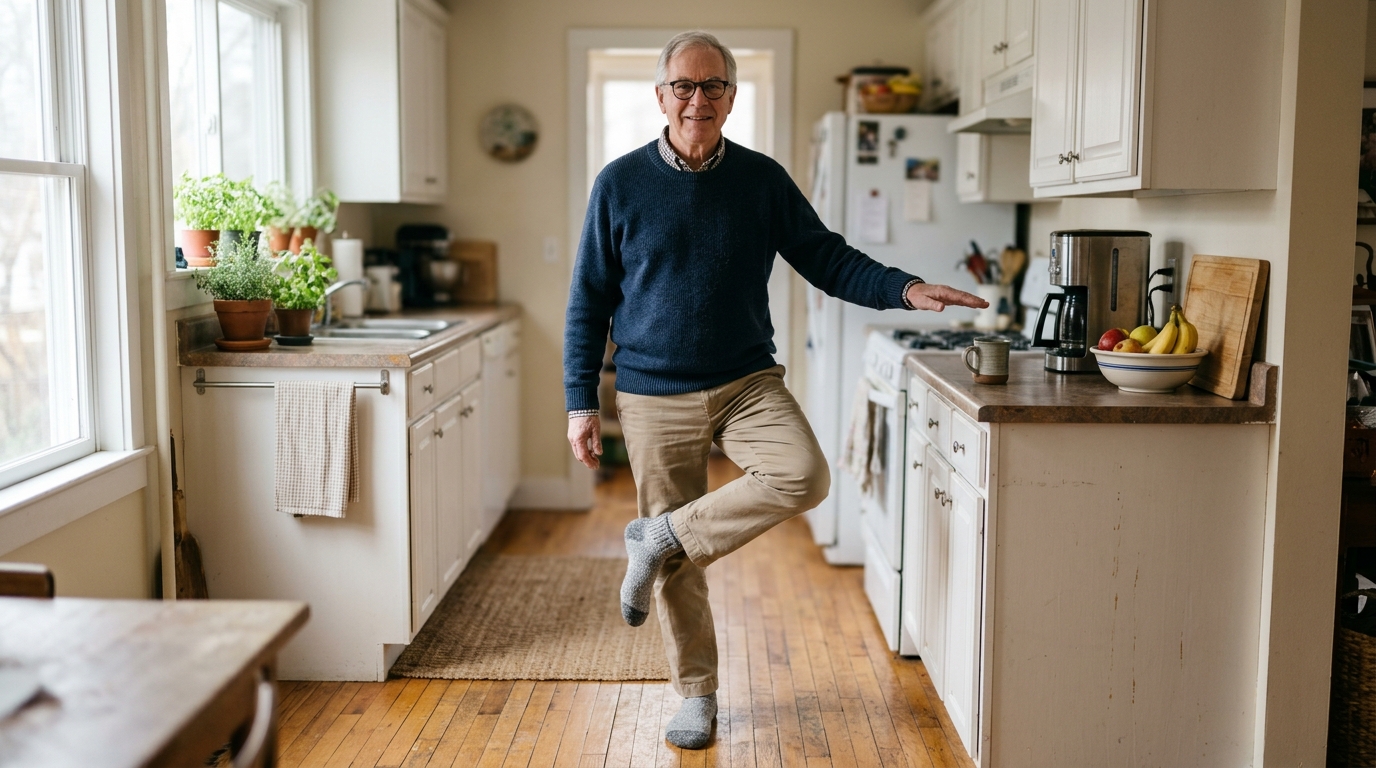
Can you balance on one leg for 10 seconds? A 7-year study of adults 51 to 75 found it says a lot about your health. Try it safely.
Gentle, everyday habits for feeling your best. 30 fact-checked medical guides covering winter wellness, heart care, better sleep after 60, joint comfort, and practical checklist advice from verified American health institutions.
Can you balance on one leg for 10 seconds? A 7-year study of adults 51 to 75 found it says a lot about your health. Try it safely.
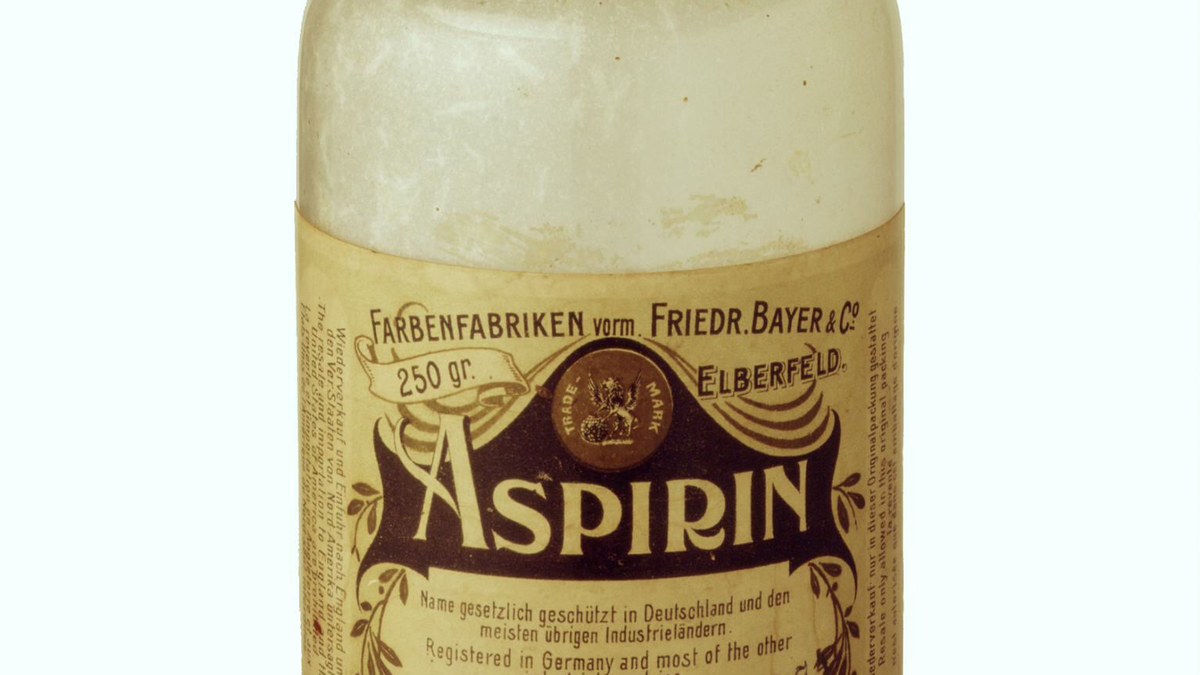
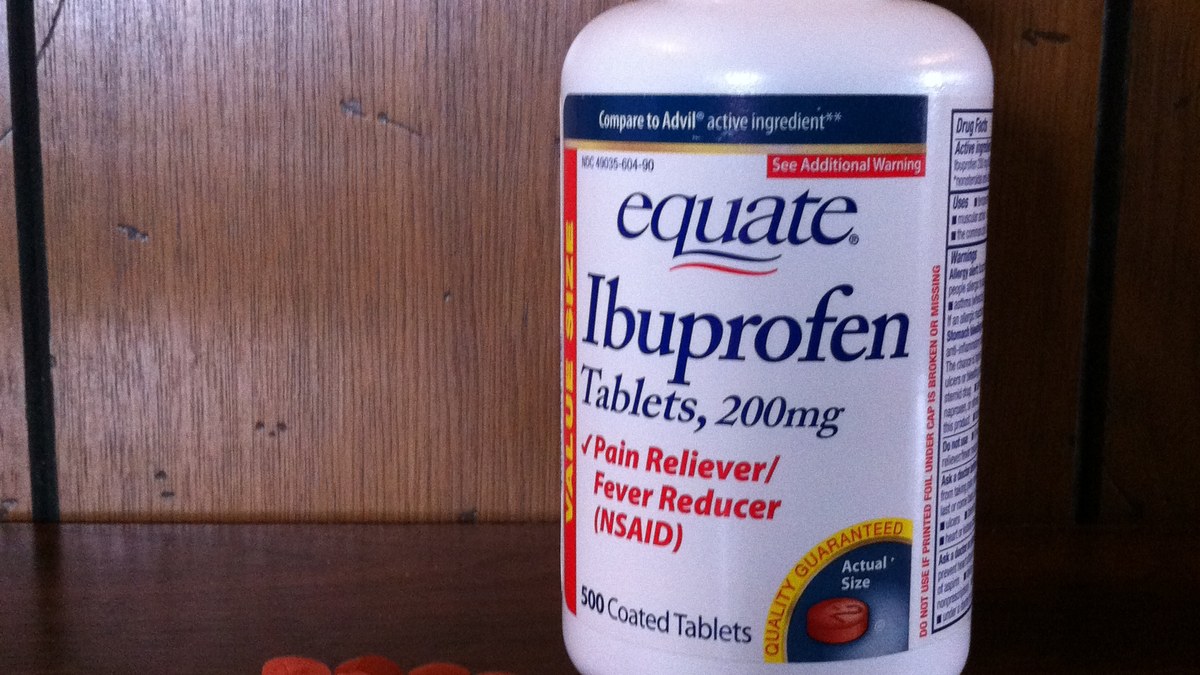
Still taking daily aspirin to prevent a first heart attack? What the USPSTF says about starting after 60, bleeding risk, and stopping safely.
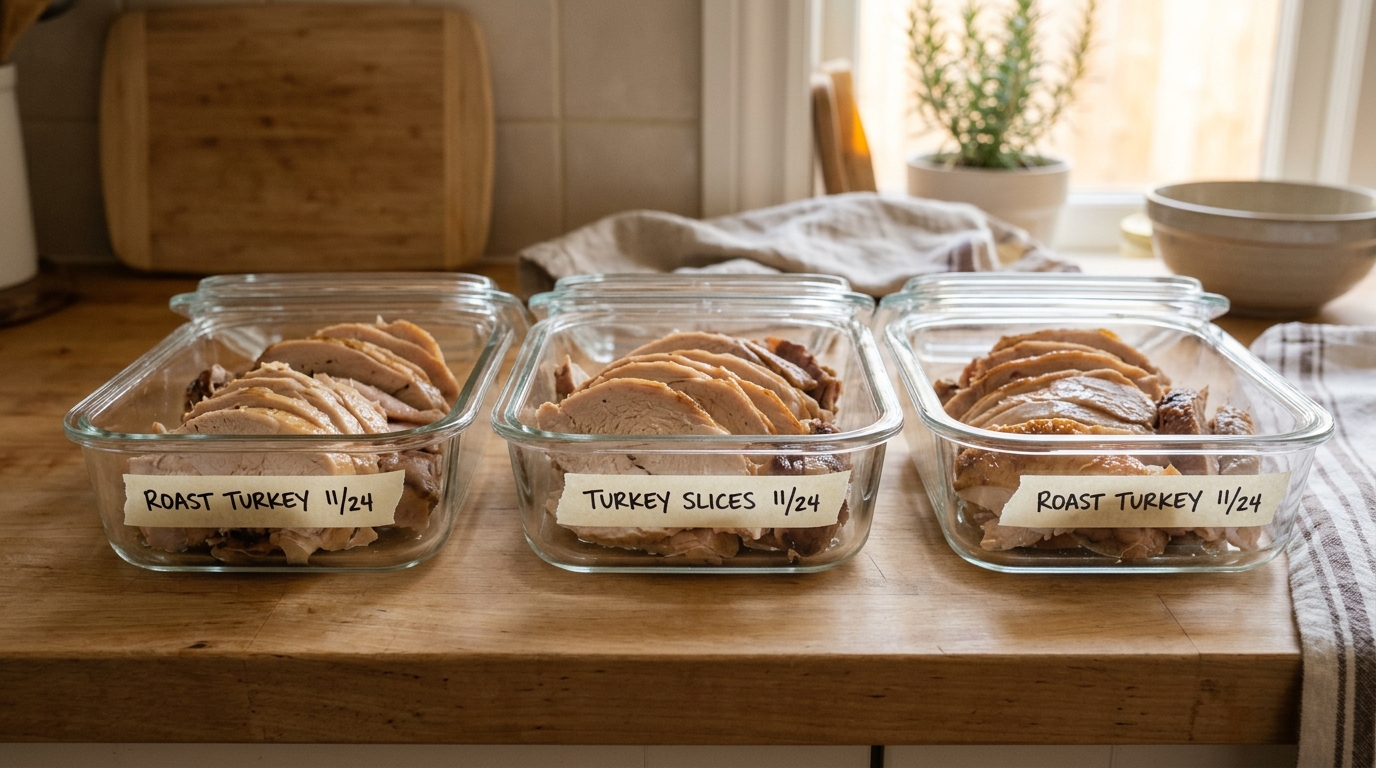
The USDA's 2-hour and 4-day rules for Thanksgiving leftovers, and the cooling habit 3 out of 4 Americans get wrong.
A sudden wobble or blurred vision can be a stroke warning. Learn B.E. F.A.S.T., what to do, and why every minute matters.
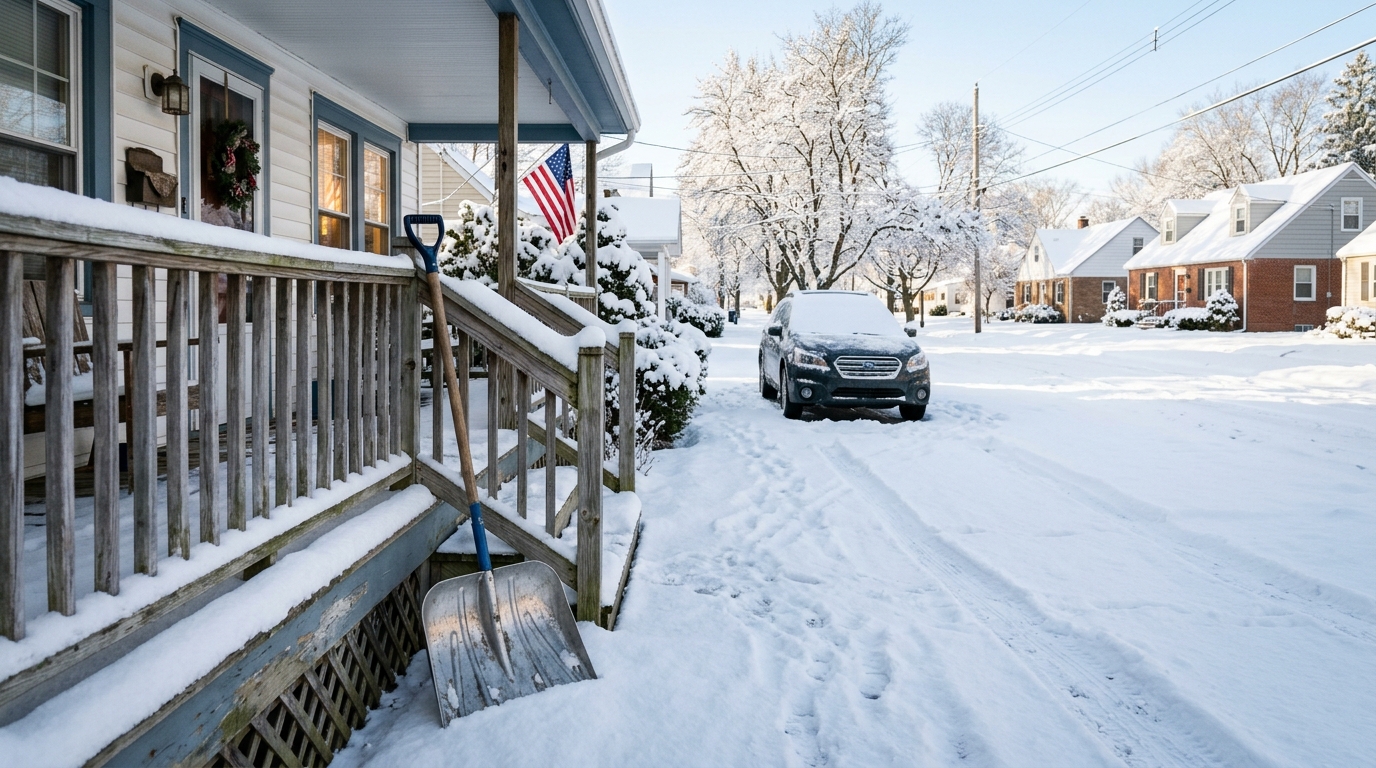
Ten minutes of shoveling pushed healthy 32-year-olds to 97% of max heart rate. What that means for you, and how to shovel safer.
Norovirus spreads fast at winter gatherings, and hand sanitizer isn't enough. Here's what works better, from handwashing to cleanup.
More cardiac deaths happen on December 25 than any other day. Why the holidays are hard on the heart, and the mistake families make.
A quick grip-strength check can offer a clue about overall health. What the research found, what it can't tell you, and how to build strength safely.
A study of over 280,000 people in Wales linked the shingles shot to 20% fewer new dementia diagnoses. What it found, and what it didn't.
That 'PM' pill in your nightstand may contain diphenhydramine. Why the Beers Criteria flags it for older adults, and what to ask your pharmacist.
A review of 57 studies found 7,000 steps a day linked to big health benefits. Why 10,000 isn't magic, and how to walk in winter.
A gentle 10-minute walk after dinner can help manage the blood sugar rise after a meal. Here's how to make it safe and easy.
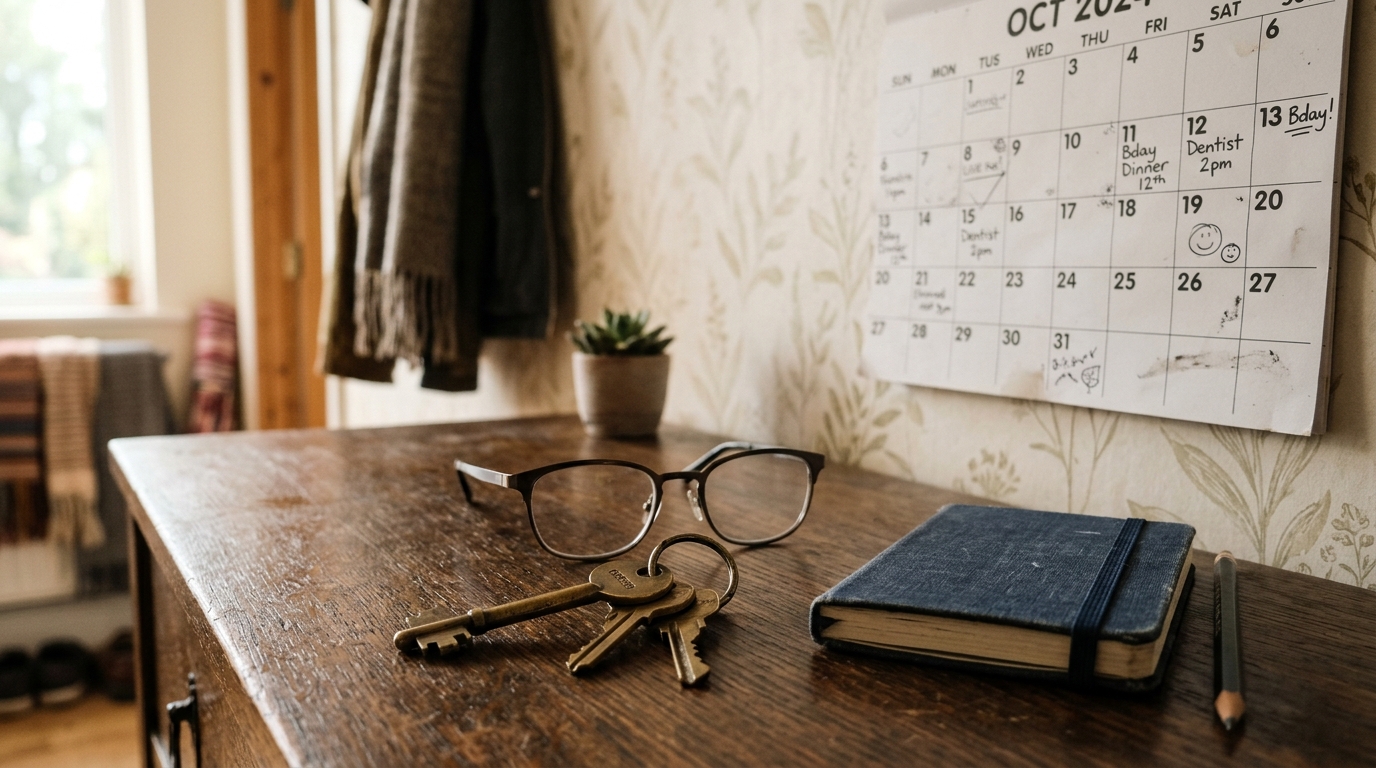
Losing your keys is normal. Getting lost on a familiar road is not. A clear guide to memory changes after 60.
Loneliness is more than a feeling. What the Surgeon General says it can do to your health, plus small ways to feel connected again.
Headache, dizziness, nausea in the whole house? Carbon monoxide can look like the flu. The signs, and the simple detector every home needs.
The CDC now recommends pneumococcal vaccination for many adults starting at 50. Here's which vaccines and past shots matter.
Some cold medicines can raise blood pressure. The ingredients to look for on the label, and safer options to ask your pharmacist about.
Muscle loss speeds up with age, but strength work can help you hold on. Here's a practical indoor routine to discuss with your doctor.
Medicare Open Enrollment ends Dec 7. Five things to check before your plan changes on Jan 1, including the new $2,400 drug cap.
Oncoming headlights, wet roads, and slower dark adaptation can make night driving harder after 60. Practical fixes that help.
Your knees swear they can predict rain. A study of 1.5 million Medicare patients says otherwise. Here's the real story.
Flu, COVID, RSV: a plain-English chart of which shots adults 30 to 75+ are advised to get this winter, and why age matters.
Dark by 5 p.m. and feeling off? The simple 2-week rule that separates ordinary winter blues from seasonal depression.
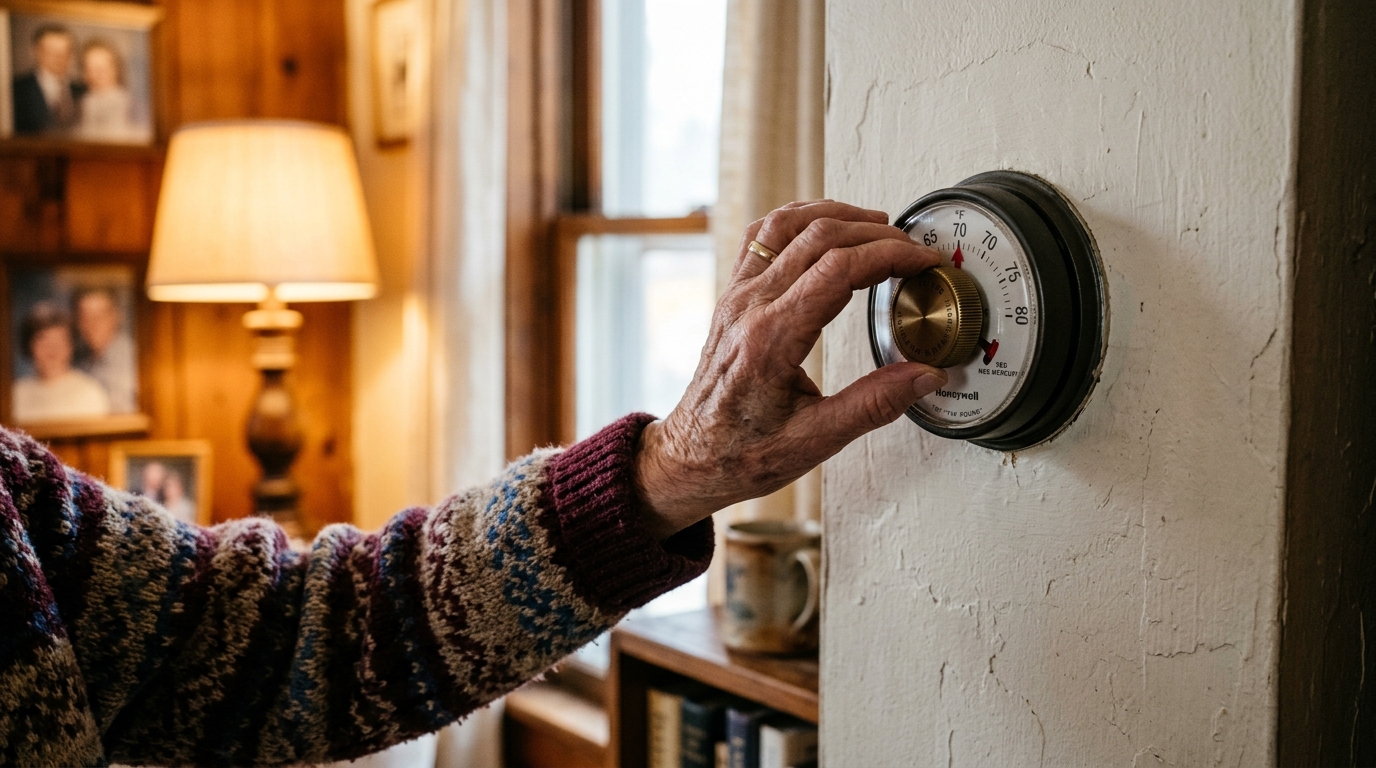
Turning the heat down to save money? Why the National Institute on Aging says older adults should keep the house at 68ยฐF or warmer.
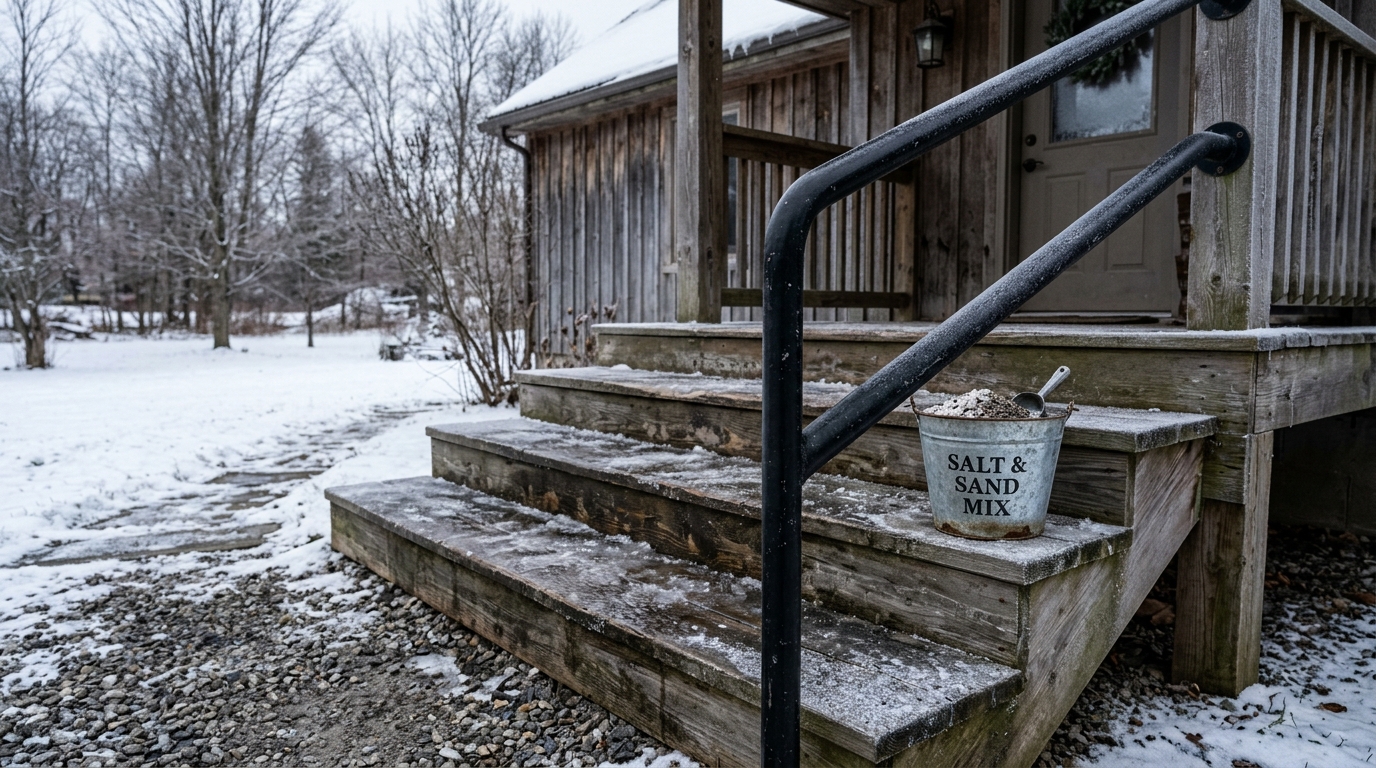
More than 1 in 4 adults over 65 fall each year. The winter checklist that keeps you on your feet on icy steps and driveways.
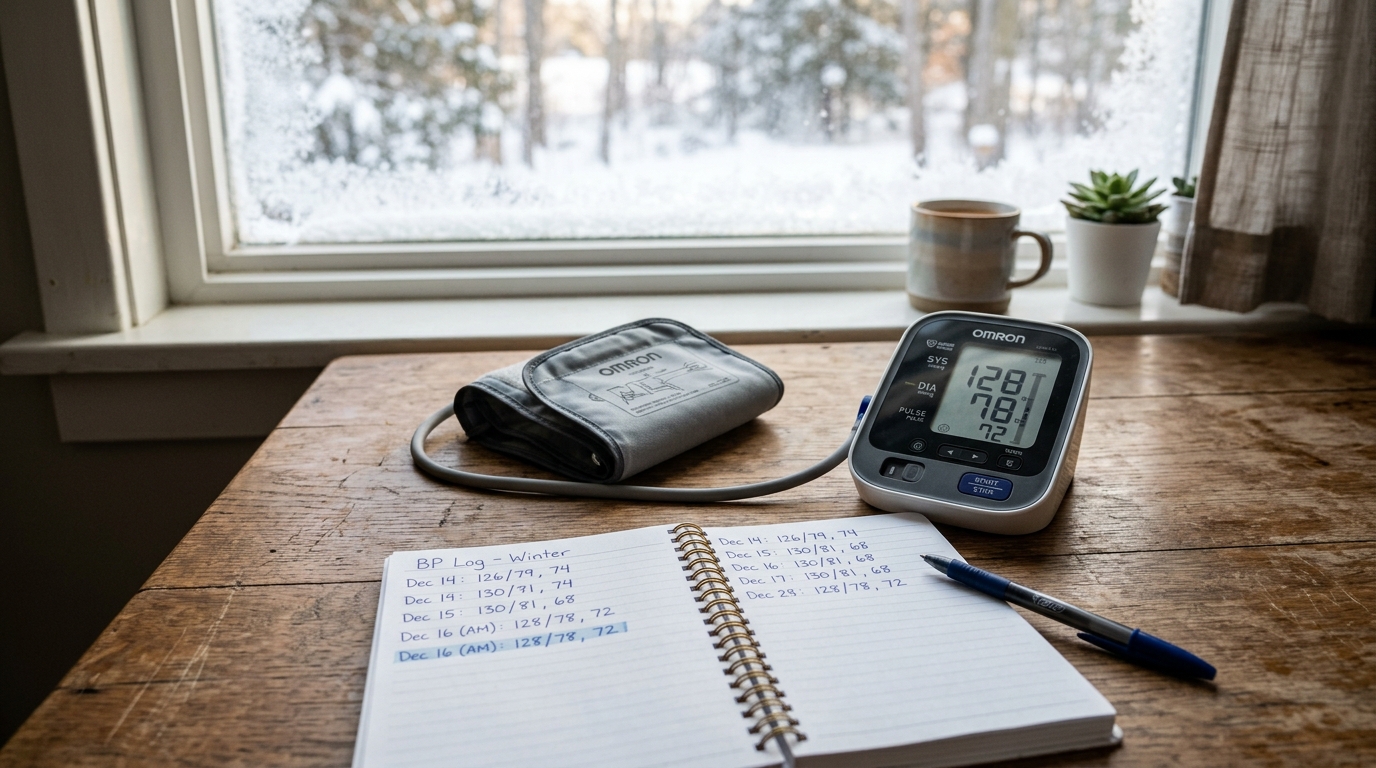
Studies of older adults find blood pressure rises when it gets cold. Why it happens and what to do about your winter readings.
More than 2 in 5 adults have prediabetes and 8 in 10 don't know it. Who should get tested and what the numbers mean.
A major US trial tested whether hearing aids slow memory decline. The honest answer, and why it matters at the holiday table.
Smoked a pack a day for 20 years? You may qualify for a yearly low-dose CT scan. Only about 18% of eligible Americans get one.
Sleep gets lighter and earlier after 60, but that doesn't mean you need less of it. What's normal, what's not, and what helps.