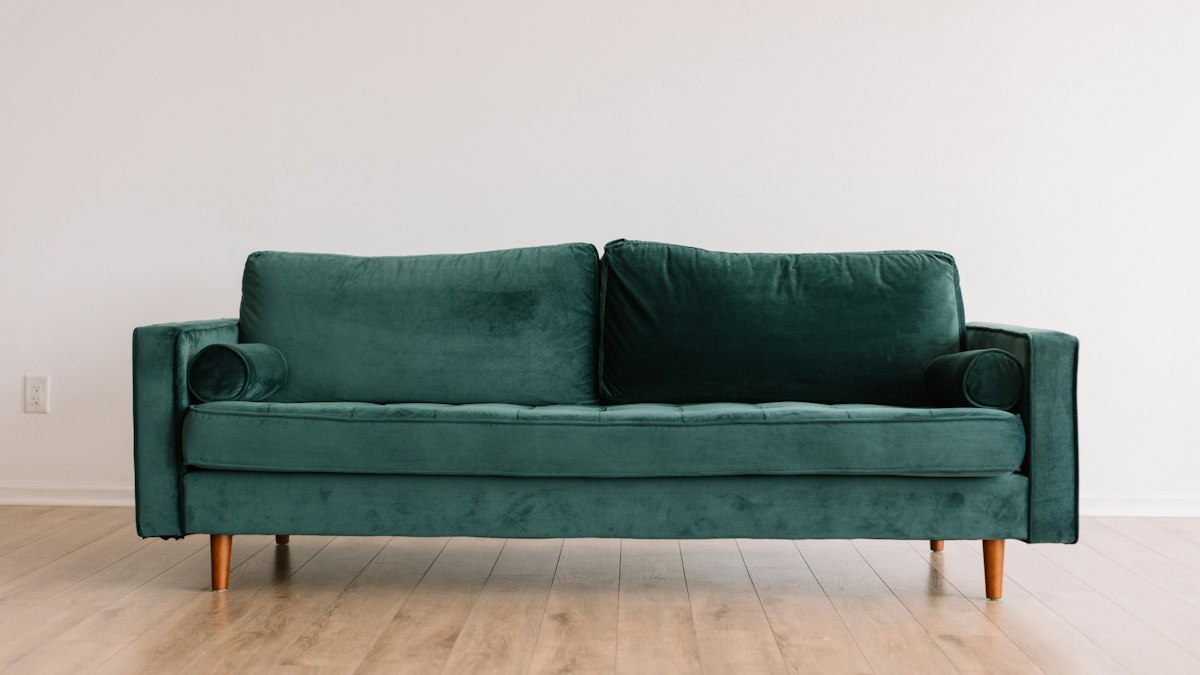
Why Grandma's Sofa Wore Plastic (and Why It Squeaked)
It stuck to your legs in July and crackled when you sat down. Here's why so many American living rooms wrapped the good sofa in clear plastic.
The people, places, sounds, and everyday things we grew up with. Step back in time with 20 fact-checked stories, mystery objects from Grandma's house, and vanished American jobs.
It stuck to your legs in July and crackled when you sat down. Here's why so many American living rooms wrapped the good sofa in clear plastic.
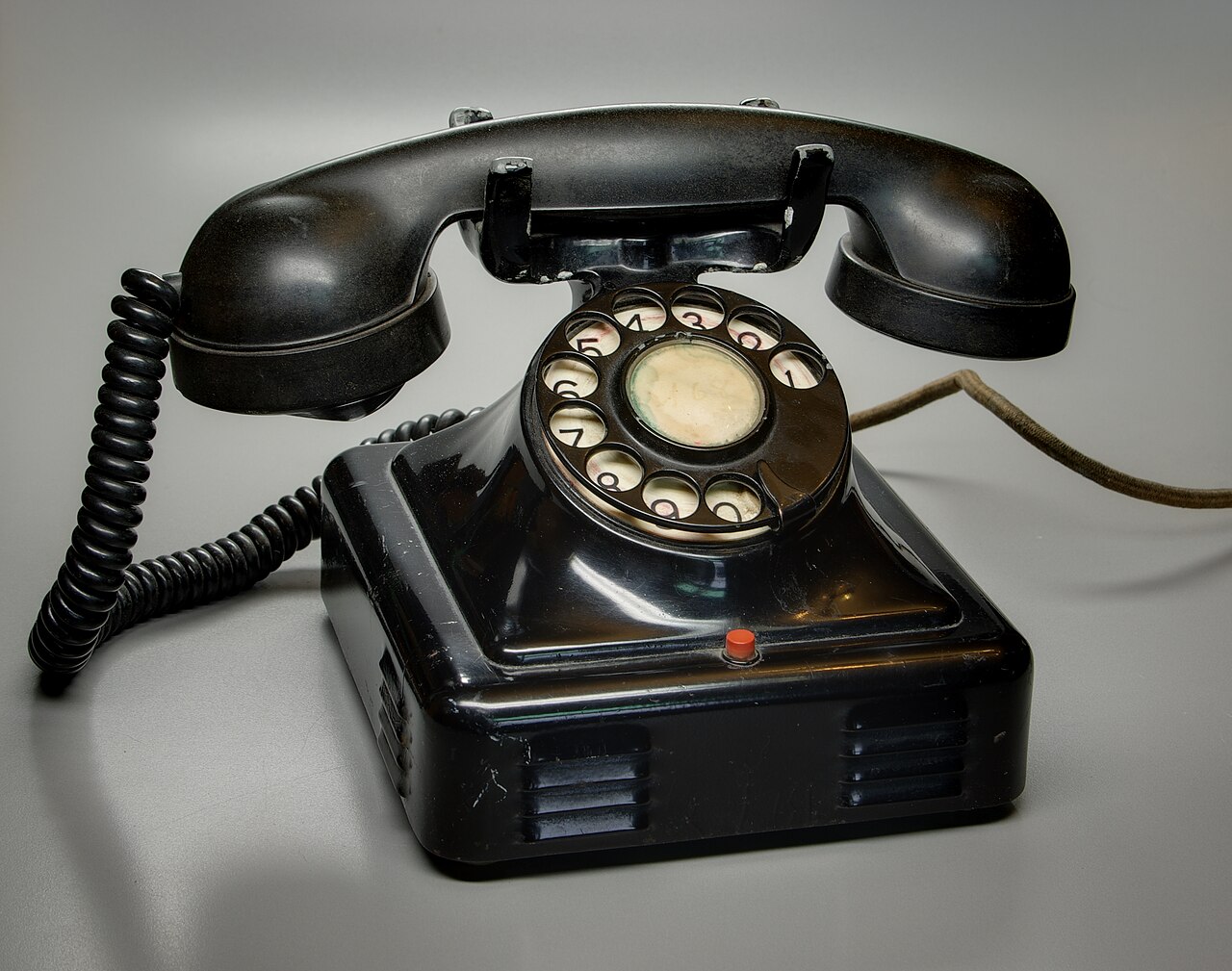
Before phone numbers were all digits, they started with a word: TUxedo, BUtterfield, PEnnsylvania. Here's how those names worked and why they vanished.
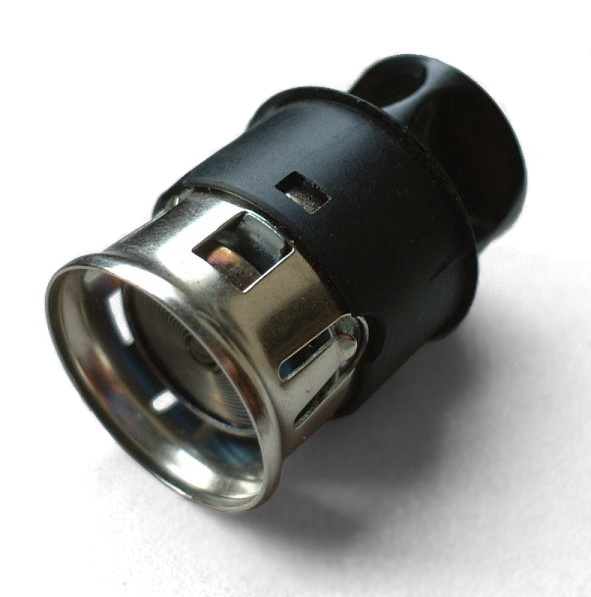
Push it in, wait for the click, and out came a glowing orange coil. Here's how the car lighter worked and how its little socket ended up charging our phones.
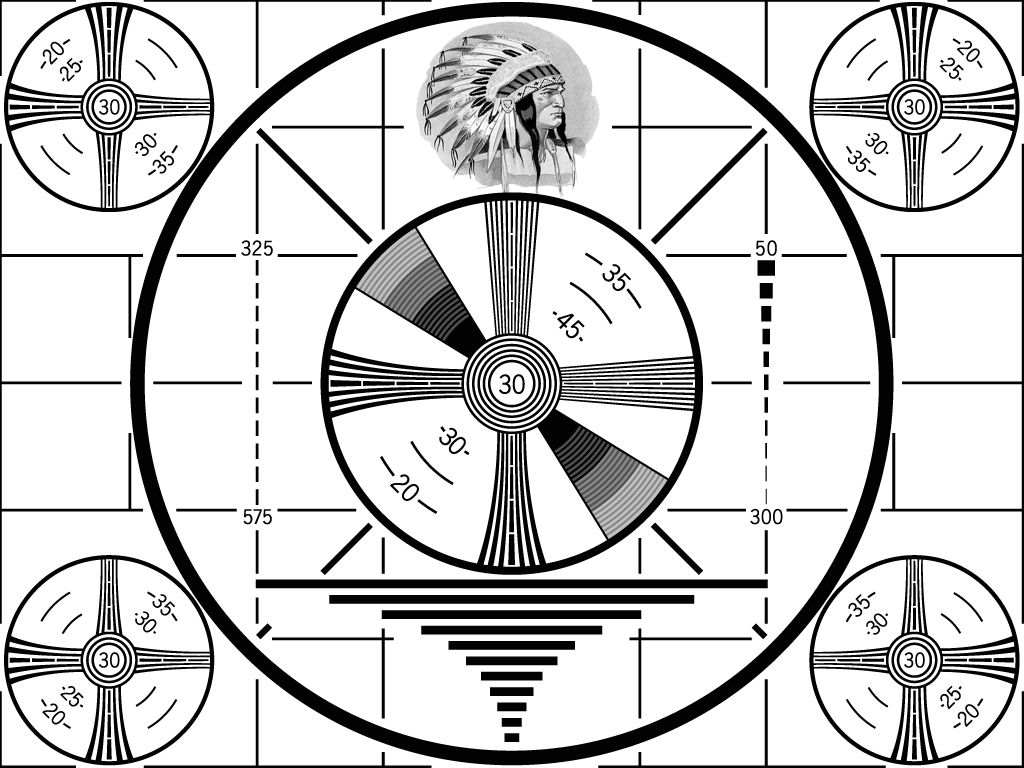
The anthem, a jet climbing through clouds, then a test pattern or a screen full of static. Here's why TV used to go to sleep at night, and what changed.
Two longs and a short meant it was for you. Anything else, you weren't supposed to pick up. Here's how the old shared party line really worked.
A round metal box with a slowly turning disk of colored panels. It came out once a year, sat on the floor, and hummed. Can you guess what it did?
Part key, part wrench, about four inches long, with a loop at the top for a string. Millions of kids had one. Can you guess what it opened?
A clear plastic cube about an inch wide, with a tiny mirror and a little glass bulb behind each of its four sides. Can you guess what it did, and why it spun?
An ordinary yellow No. 2 pencil had a second job in millions of cars and bedrooms in the '70s and '80s. Can you guess what it was, and why it had to be six-sided?
A thin booklet of 24 pages, each one a grid of empty squares. Fill it, and you could walk out of a store with a toaster. Can you guess what it was?
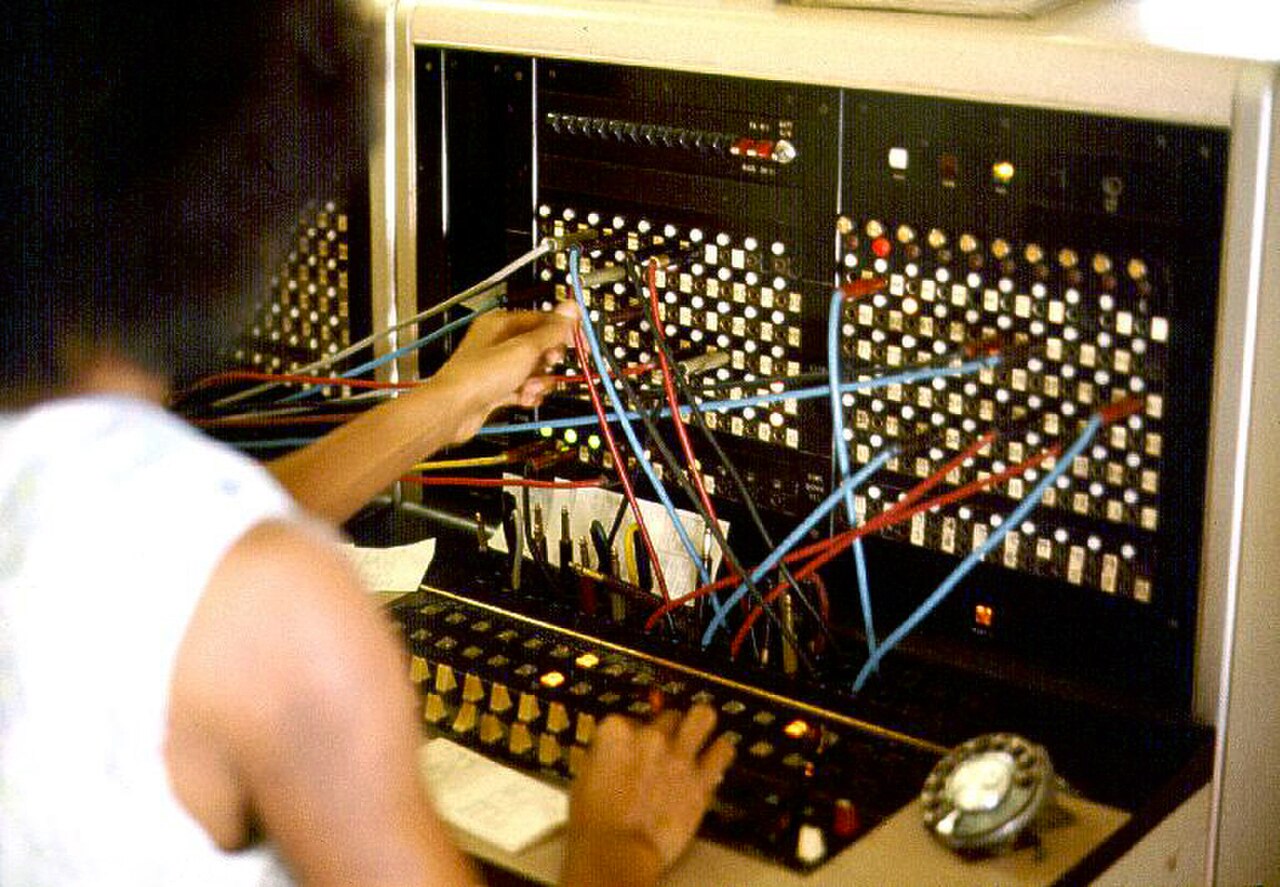
In 1950, the Bell System employed more than 340,000 telephone operators, about one in every 13 working women. Here's what that job was really like.
A bell dinged when you drove over the hose, and a man in a uniform checked your oil without being asked. One state still won't let you pump your own gas.
Behind every lane sat a kid in the pit, dodging flying pins and resetting all ten by hand, often for about a dime a game. Here's what pinsetting was like.
When the picture died, Dad pulled the tubes, put them in a paper bag, and drove to the drugstore. If that didn't work, you called the TV man. Here's that world.
For about 50 years, almost every gas station in America gave out road maps for free. Here's how we planned trips and found our way before GPS.
It's long distance!" meant everybody ran to the phone, and somebody watched the clock. Here's how long-distance calling really worked, and why we waited for night.
It came in the mail in the fall, and kids read it until the pages fell out, circling toys in red. Here's how the Sears Wish Book worked and how it began.
The parade on TV, the percolator bubbling, the cranberry sauce sliding out of the can in one piece. Ten sounds and smells of Thanksgiving morning, and the why behind each.
You pulled up to a post, hung a metal box on your car window, and turned the knob. Here's how the drive-in speaker worked, and why so many ended up down the road.
In 1963, almost 3 in 10 cartons of America's milk came to the door. By 2005, it was less than half of one percent. Here's what the job was really like.
A quiet morning habit delivered to your inbox every day at 6:00 a.m. No spam, ever.