Did Paul Revere Really Shout "The British Are Coming"?
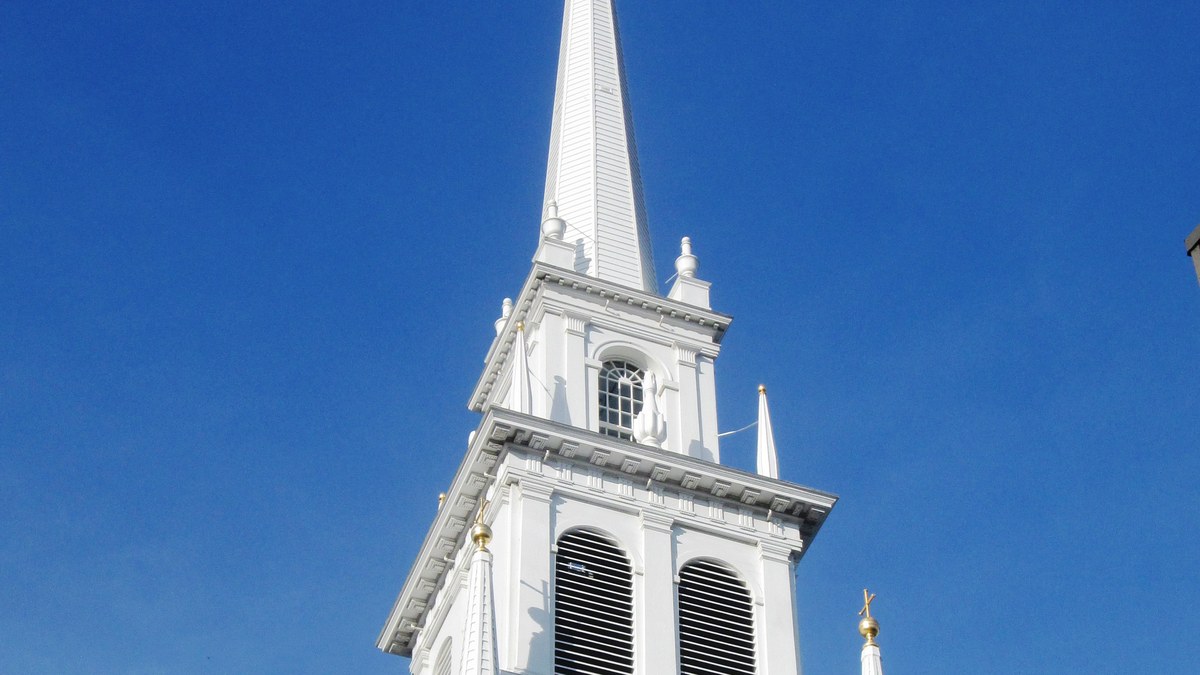
The line everyone learned isn't in any of Revere's own accounts. What he did that night, in his own words, is a better story than the poem.
True stories and surprising facts from American history. Researched through the Library of Congress and the National Archives.
The line everyone learned isn't in any of Revere's own accounts. What he did that night, in his own words, is a better story than the poem.
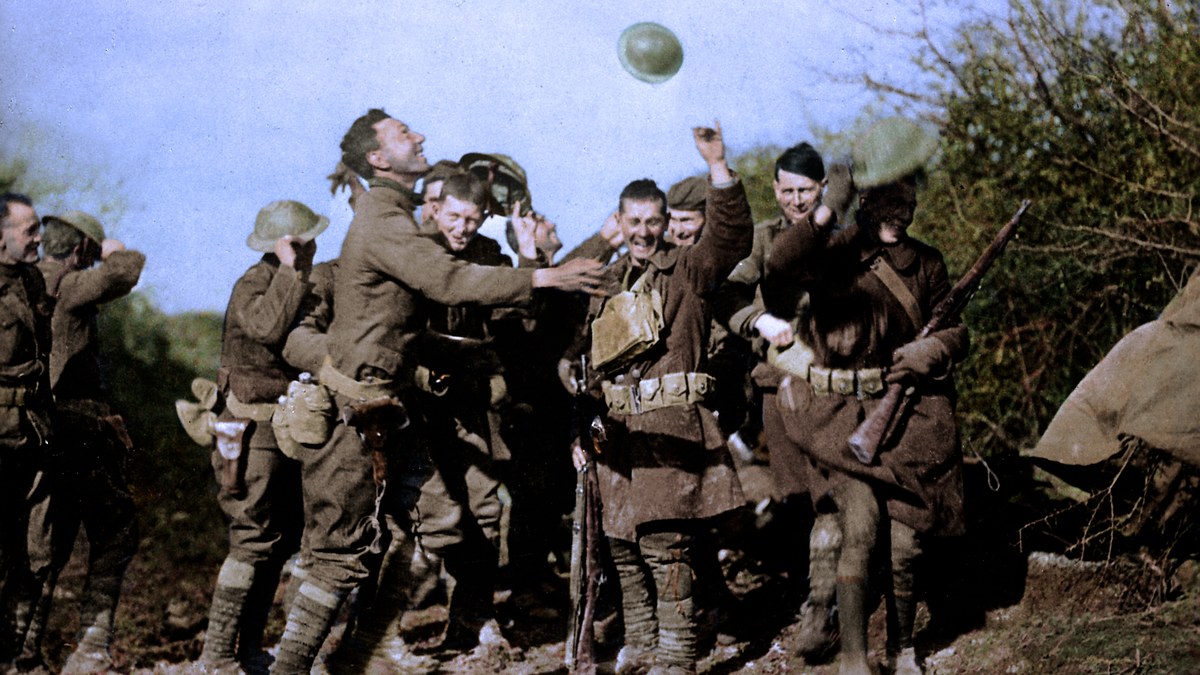
The date comes from one hour in 1918. The name came from a veteran in Birmingham, Alabama. And for a few years in the 1970s, the holiday wasn't in November at all.
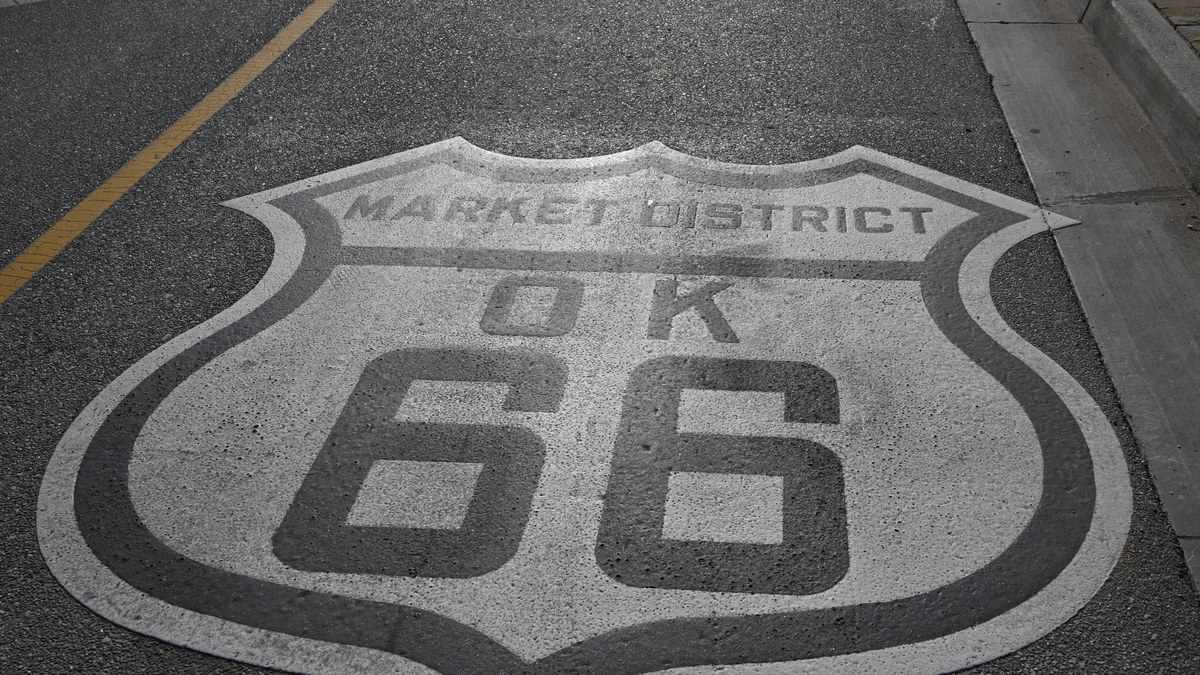
Route 66 didn't open with a ribbon. It began with a vote in North Carolina, an argument over a number, and a road that was mostly unpaved.
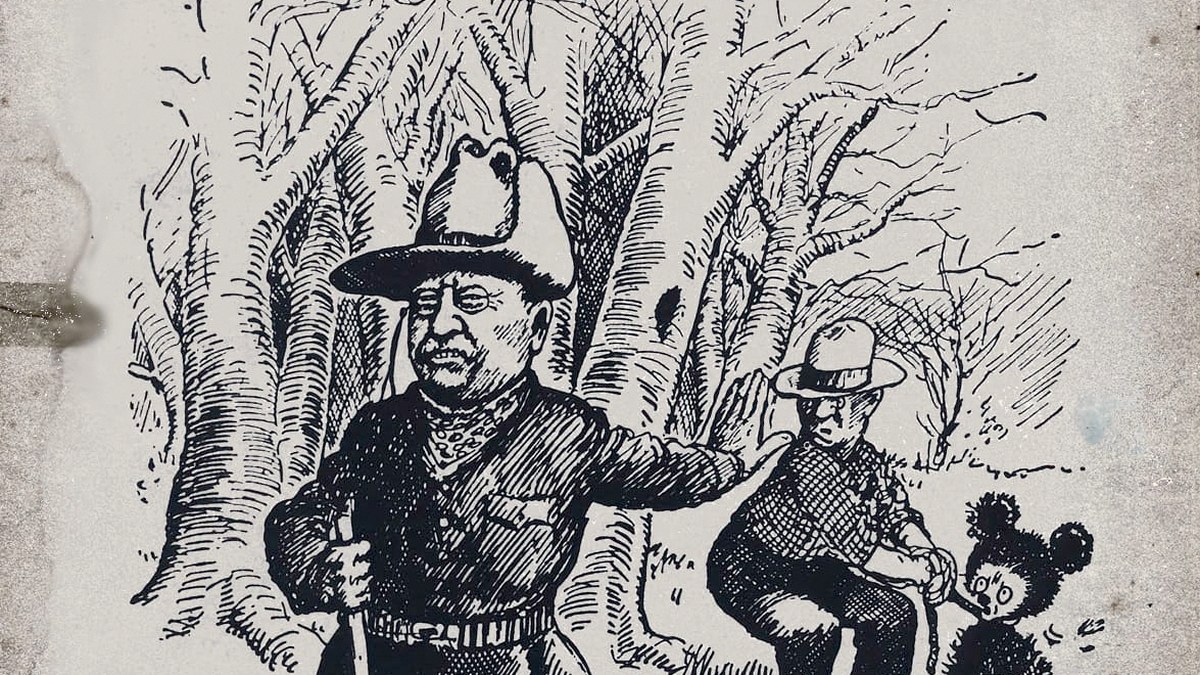
The teddy bear began with a hunt in the Mississippi Delta, a guide named Holt Collier, and a bear that did not survive the story.
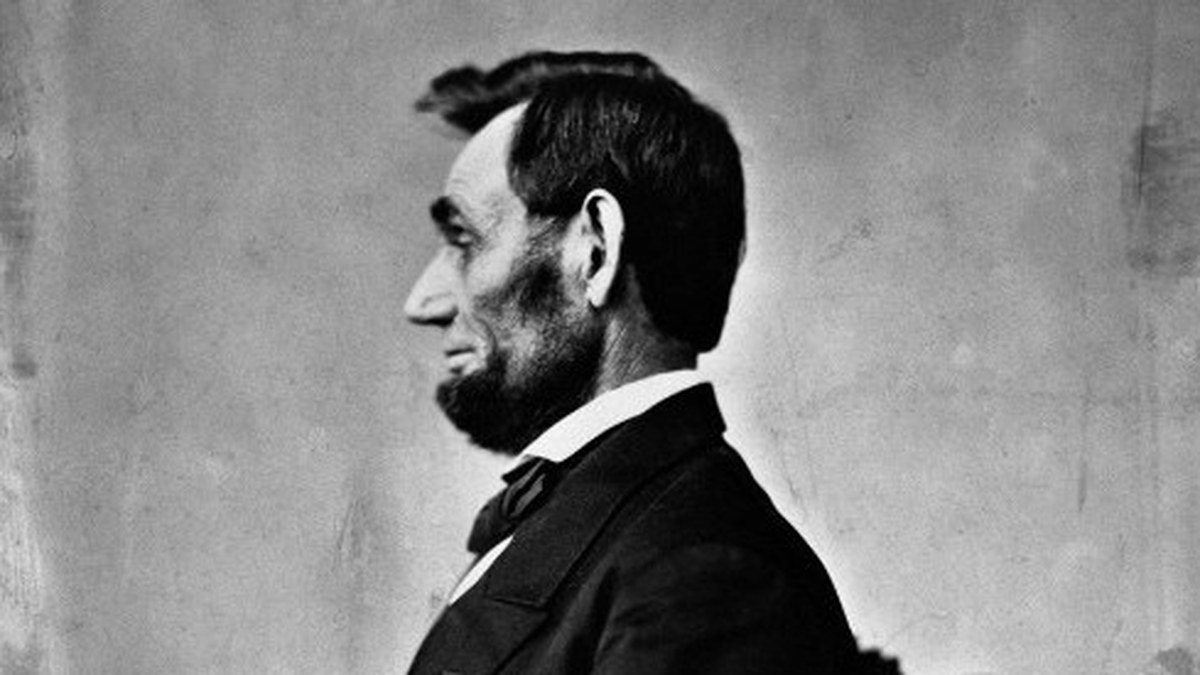
Lincoln was not the main speaker at Gettysburg. He was asked for a few remarks after a two-hour oration. What happened on November 19, 1863, and what came after.
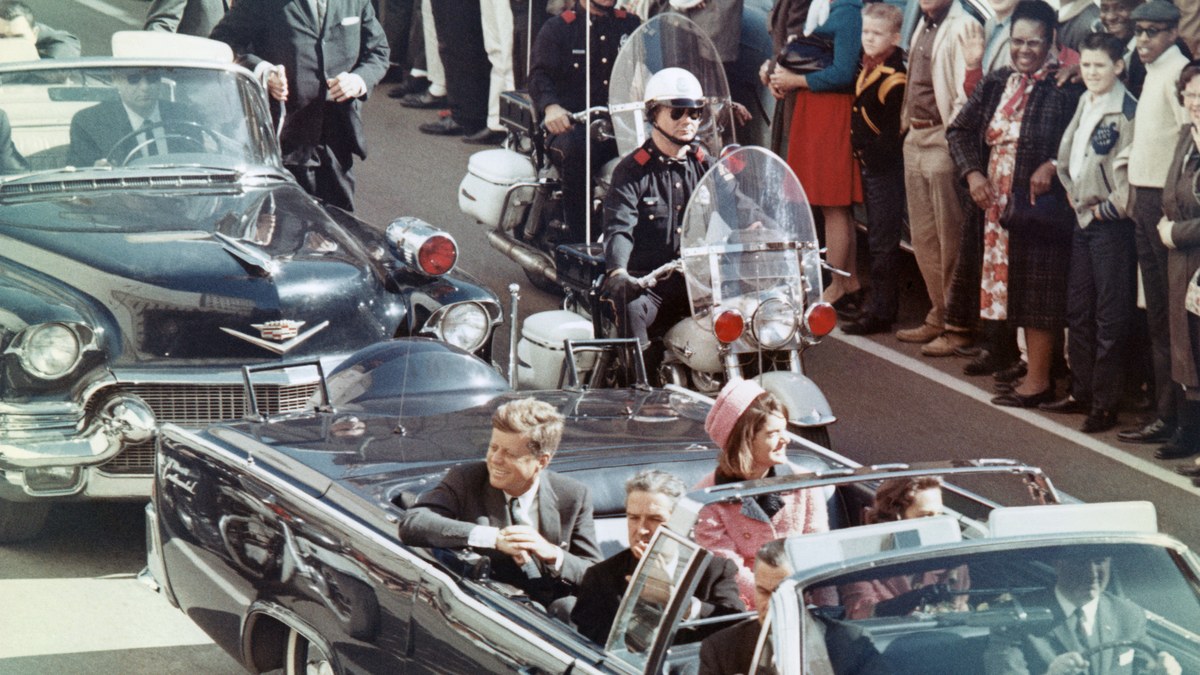
From a rally in the rain in Fort Worth to an oath aboard Air Force One, the documented record of November 22, 1963, hour by hour.
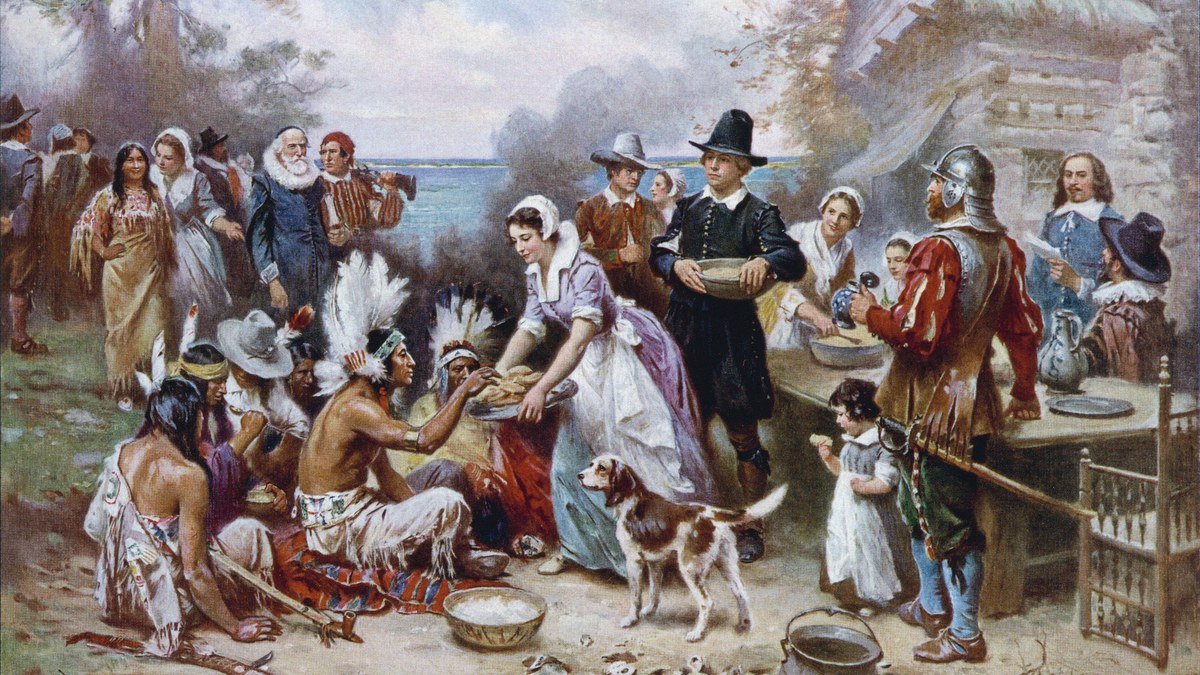
Only two firsthand accounts of the 1621 harvest feast survive. They mention deer and wild fowl, three days, and about ninety Wampanoag men. They never mention pie.
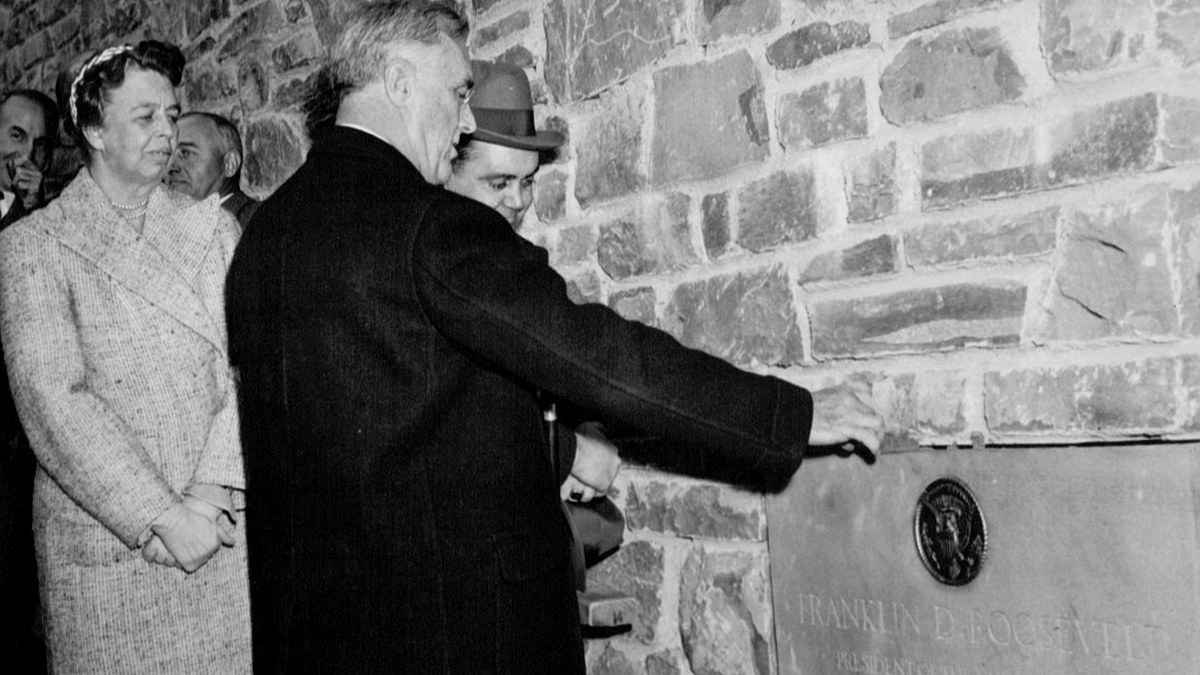
In 1939, President Roosevelt moved Thanksgiving up a week to help stores. The states split over which Thursday to keep. Here is how the holiday ended up on the fourth Thursday.
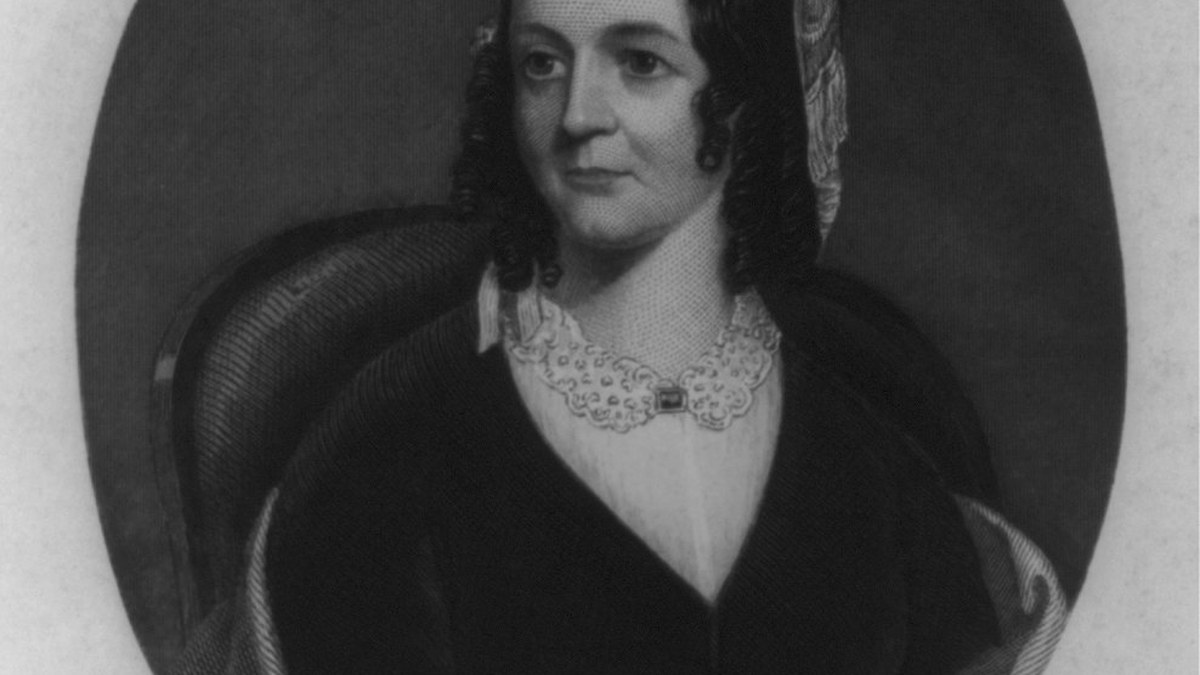
A magazine editor from New Hampshire spent years asking presidents for a national Thanksgiving. Five days after her letter to Lincoln, he proclaimed one.
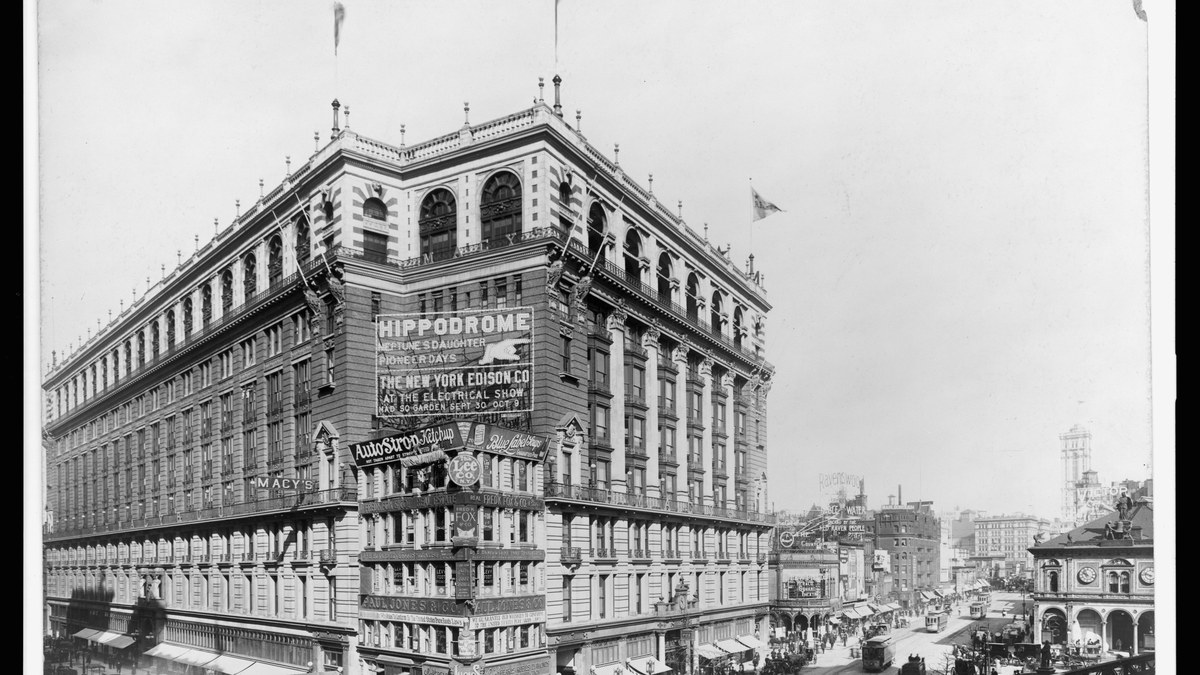
The first Macy's parade, on Thanksgiving morning in 1924, was billed as a Christmas parade, and it ended at a store window. Here is what the newspaper saw that day.
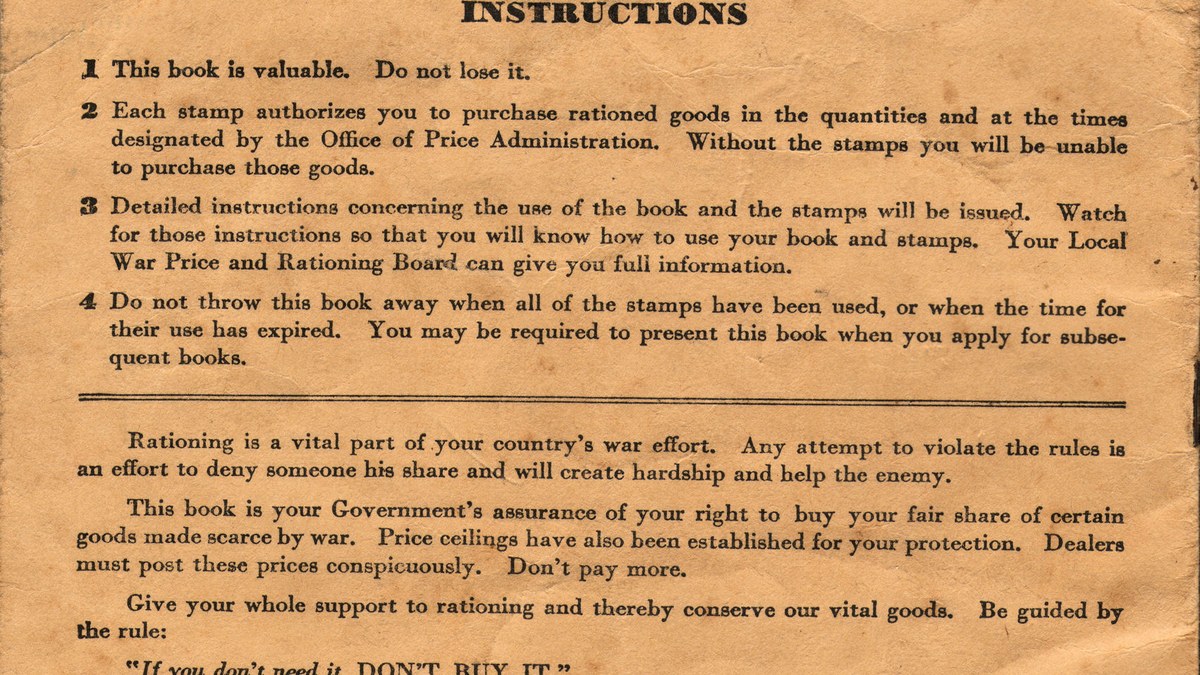
On November 29, 1942, Americans over 15 could buy one pound of coffee every five weeks, starting with stamp No. 27. Here is why, and how the country made it last.
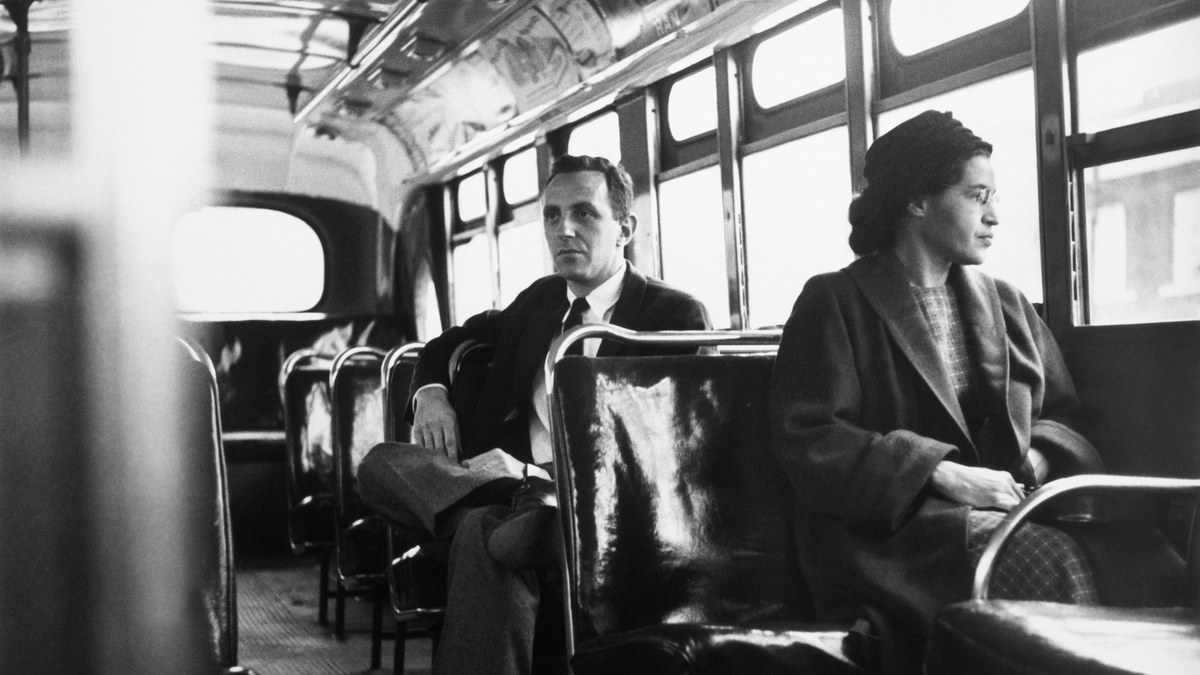
She was 42, a department store tailor's assistant, and the secretary of the Montgomery NAACP. What happened on the Cleveland Avenue bus, from the police report and in her own words.
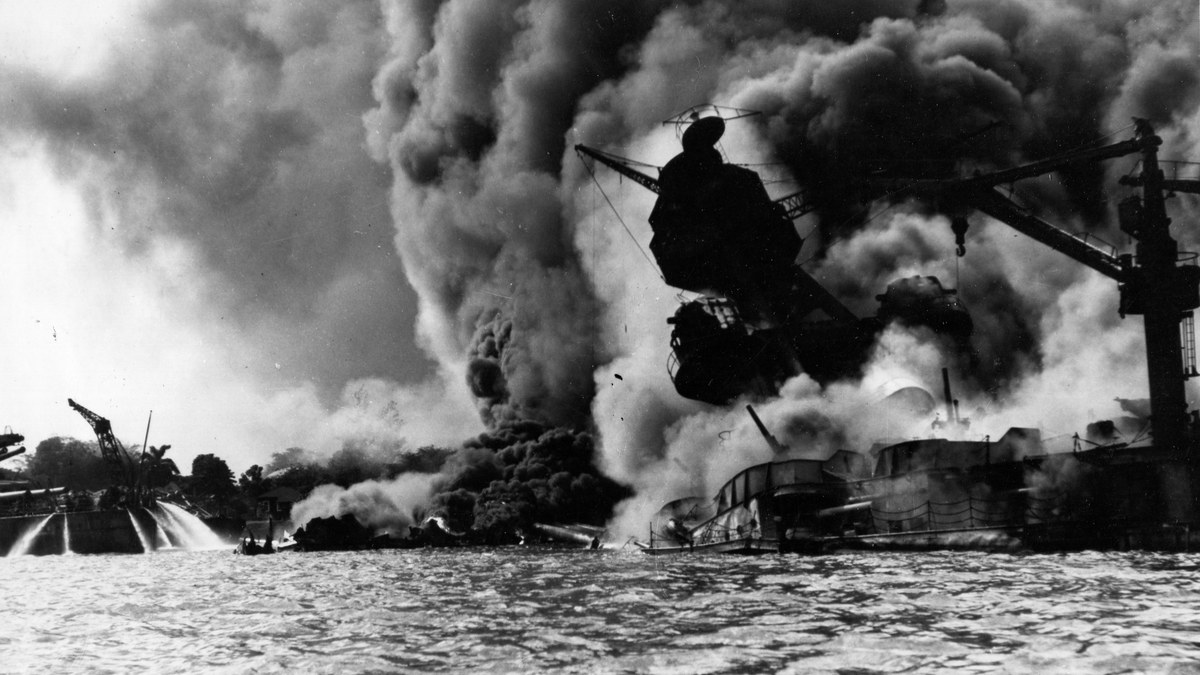
A submarine sighted at 6:37 a.m. A radar blip at 7:02. The first planes at 7:55. Eighty-five years later, the morning of December 7, 1941, as the record tells it.
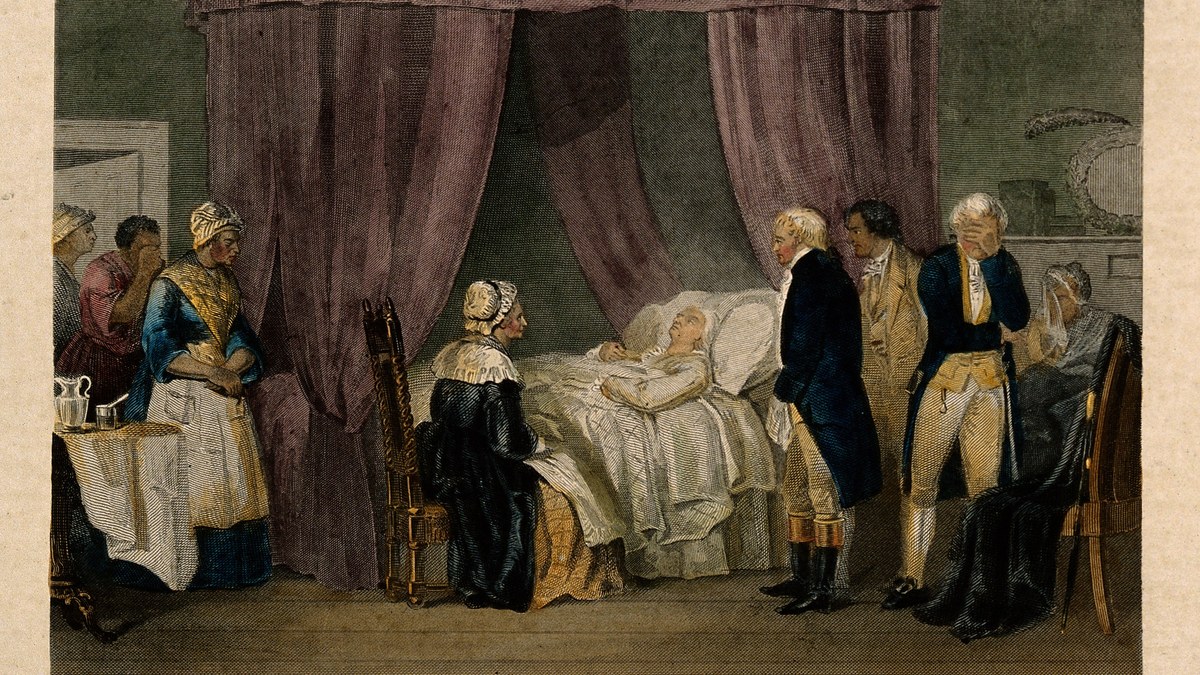
A ride in the snow, a sore throat, and less than a day of illness. How George Washington died on December 14, 1799, from the account of the man who sat with him.
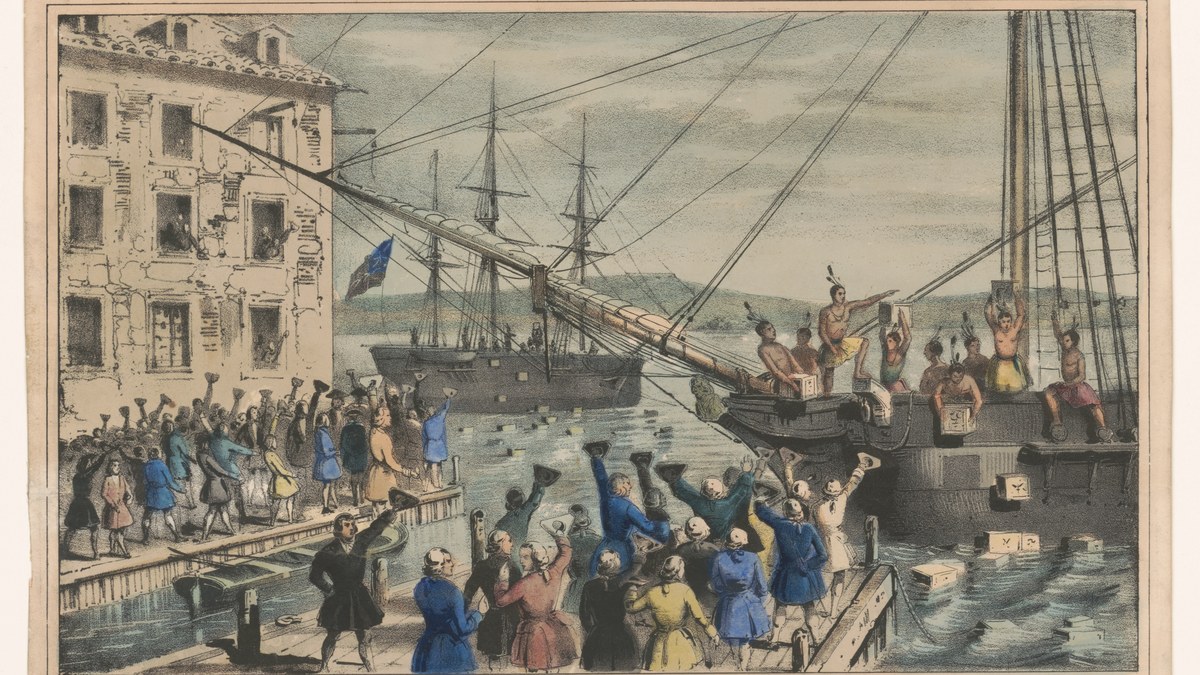
The Tea Act made legal tea cheaper, not dearer. The disguises were blankets and soot. The famous name came decades later. What the record says about December 16, 1773.
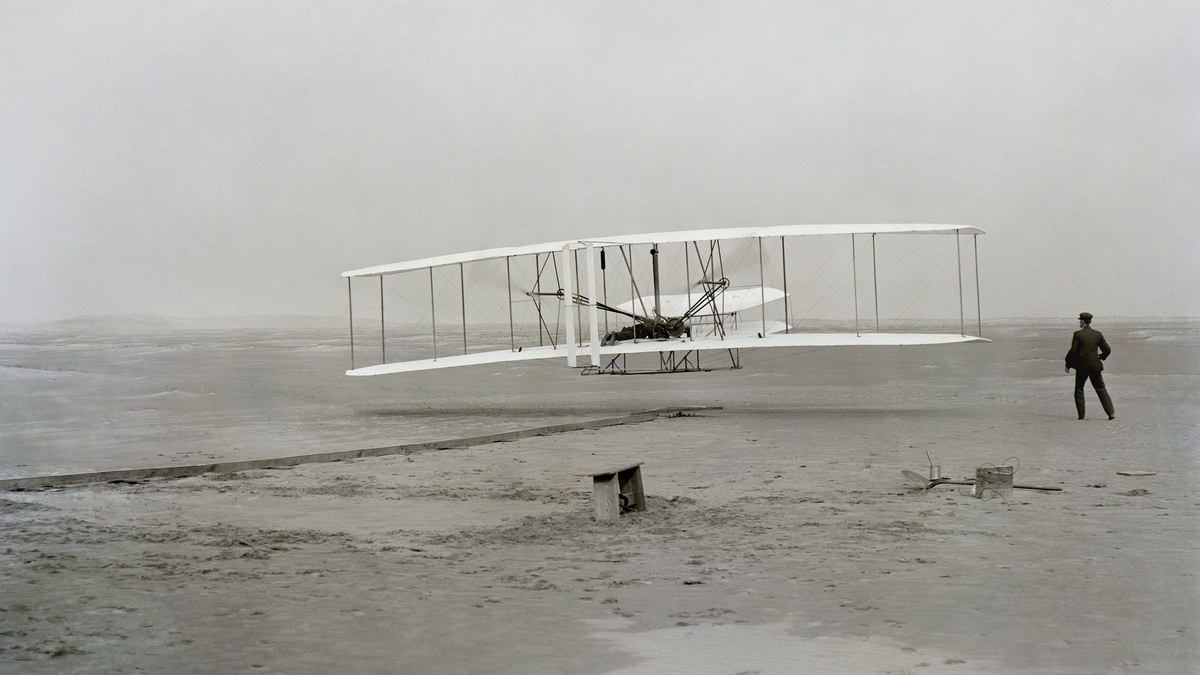
At 10:35 a.m. on December 17, 1903, Orville Wright flew 120 feet in about 12 seconds. The diary, the five witnesses, the photo, and the telegram home.
Before the song and the TV special, Rudolph was a free booklet from Montgomery Ward. How a Chicago copywriter named Robert L. May created him in 1939.
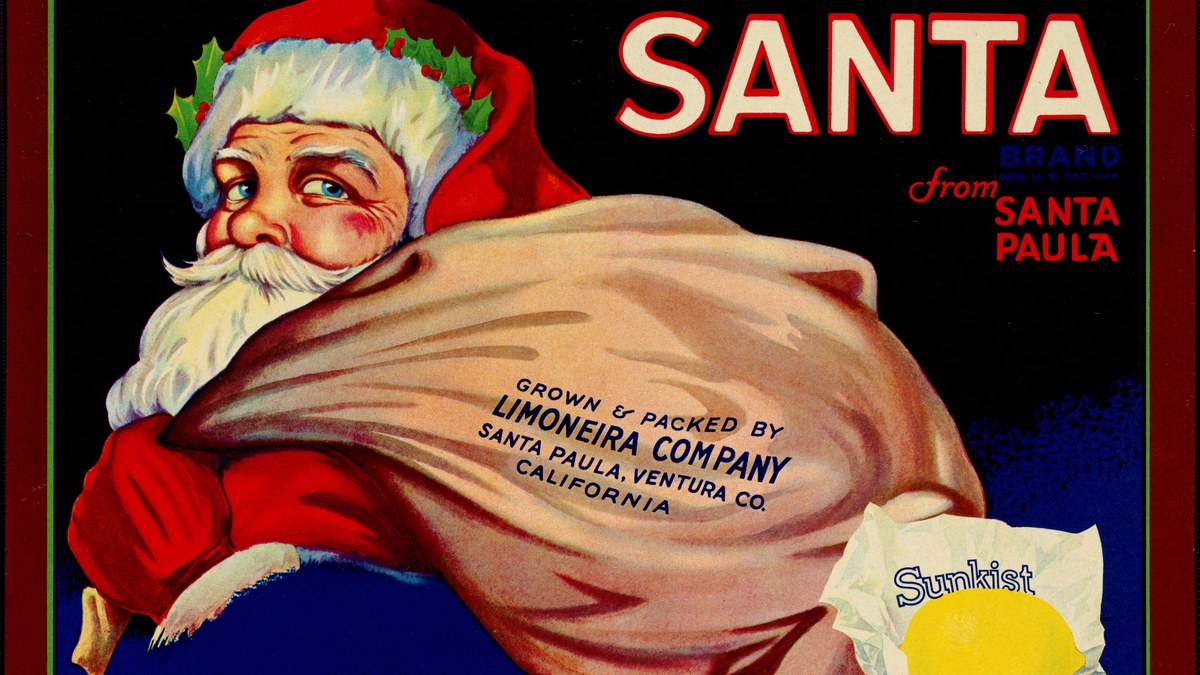
It ran in September, not at Christmas. It had no byline. And the girl who asked grew up to spend more than 40 years in New York's schools. The real story of "Yes, Virginia."
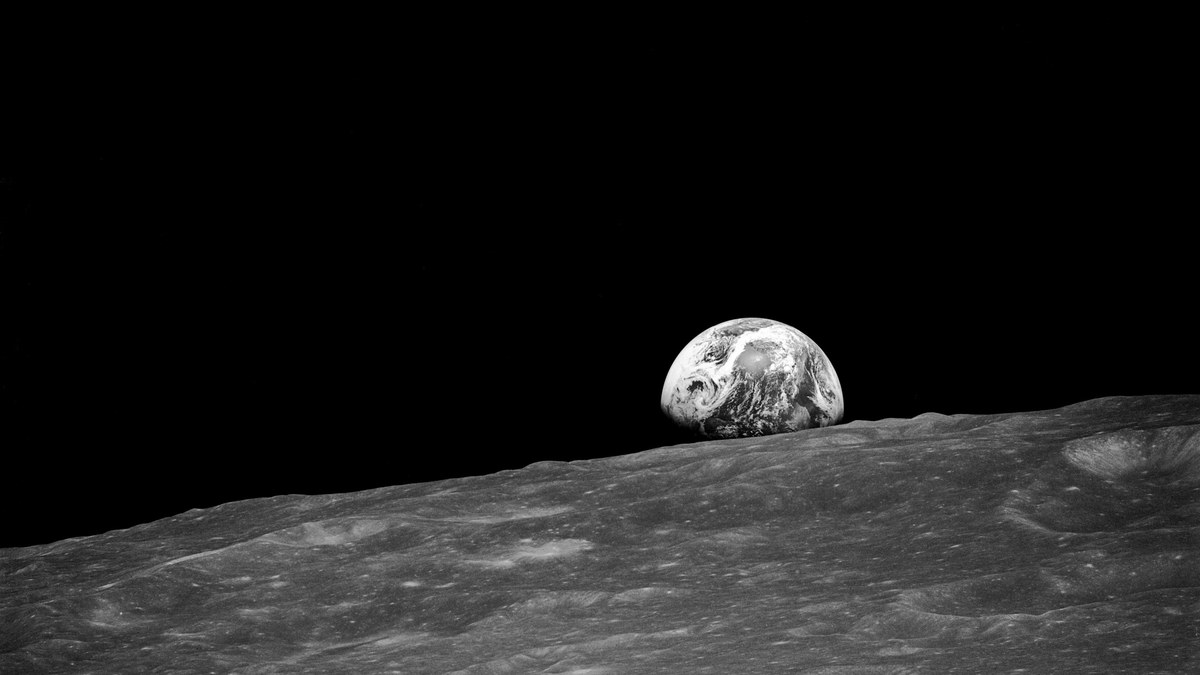
On Christmas Eve 1968, three men in orbit around the Moon read the first ten verses of Genesis to the people back home. How it happened, and the photograph from that morning.
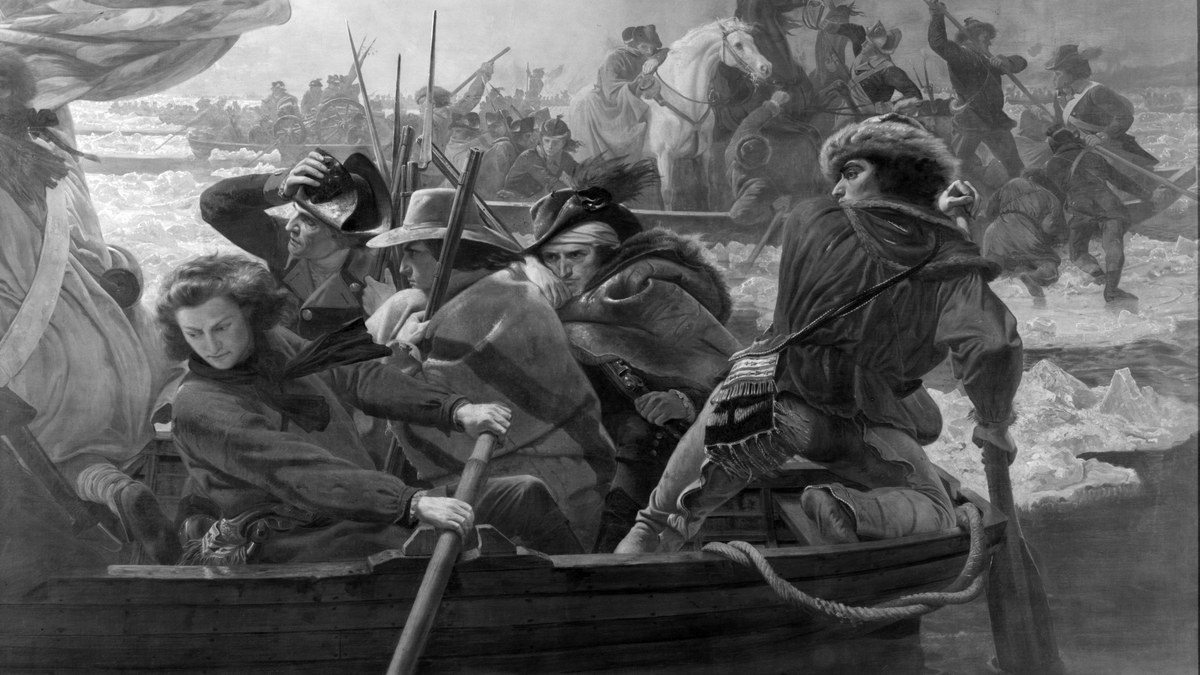
On Christmas night 1776, about 2,400 men crossed an icy Delaware River. They were hours behind schedule by morning. What Washington and Knox wrote about that night, 250 years ago.
Surprising American history and daily morning puzzles delivered to your inbox free. No spam, ever.