Sarah Josepha Hale and the Long Fight for Thanksgiving
A magazine editor from New Hampshire spent years asking presidents for a national Thanksgiving. Five days after her letter to Lincoln, he proclaimed one.
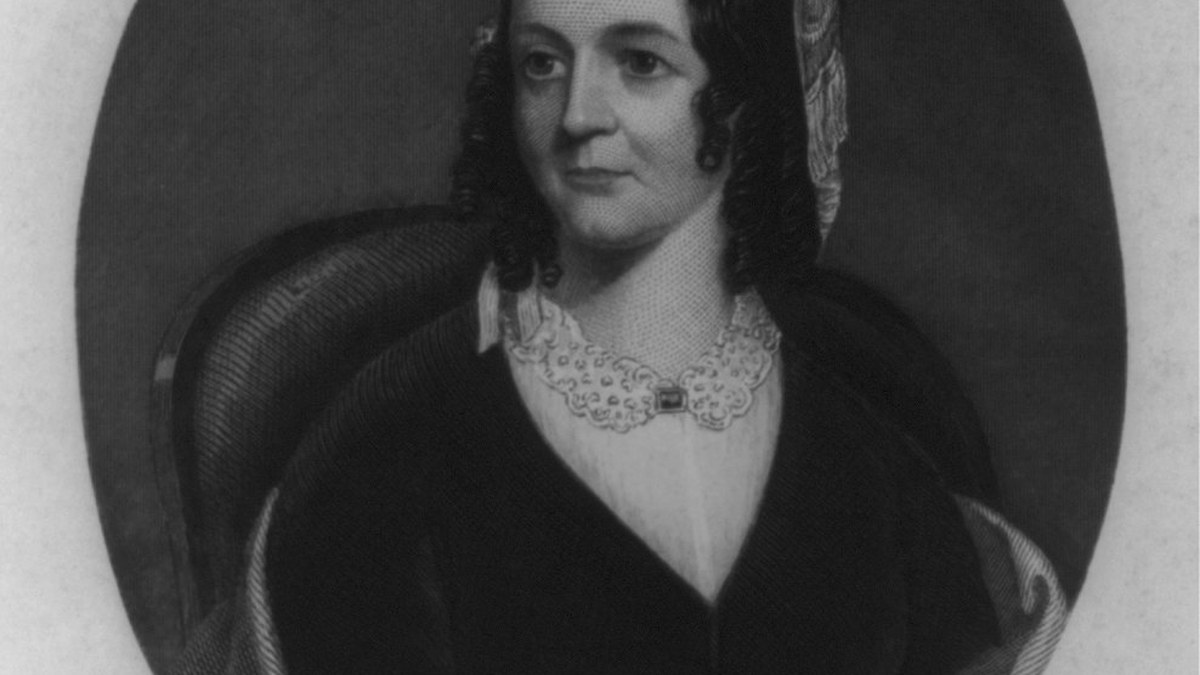
On Monday, September 28, 1863, a 74-year-old magazine editor in Philadelphia wrote a letter to Abraham Lincoln. She got to the point quickly.
"This subject," Sarah Josepha Hale wrote, "is to have the day of our annual Thanksgiving made a National and fixed Union Festival."
Five days later, on October 3, Lincoln issued a proclamation asking Americans to observe the last Thursday of November "as a day of Thanksgiving and Praise." It was the start of the holiday most of us will sit down to tomorrow. Hale's name rarely comes up at the table. The letter that helped make it happen is in the Library of Congress, and you can read it online.
Who she was
Sarah Josepha Buell was born on October 24, 1788, in Newport, New Hampshire. Her mother and her brother Horatio taught her at home, and she became a teacher. In 1813 she married a lawyer, David Hale. He died in 1822 and left her with five children.
More American Memories
Explore Our "Remember When" Archive of Treasured Decades →She turned to writing. In 1827 she published her first novel, "Northwood." Three of its chapters are about Thanksgiving: the sermon, the dinner, and the day after. In 1828 she became editor of the Ladies' Magazine in Boston. In 1830 a book of hers, "Poems for Our Children," included "Mary Had a Little Lamb" under her name. Who first wrote the poem has been argued about ever since, but it was Hale who published it.
In 1837 her magazine was merged into Louis Godey's Lady's Book, and she became its editor. She moved to Philadelphia in 1841 and ran Godey's until 1877. It became one of the most prominent women's magazines in the country.
A woman with causes
Hale used her pages and her pen for causes she believed in. In 1840 she helped organize a women's fair in Boston to finish the Bunker Hill Monument. The National Park Service says it raised more than $30,000, and the monument was completed in 1842. Later she corresponded with Matthew Vassar and pressed the case for women's higher education as he planned his college.
The cause she kept coming back to was Thanksgiving.
The long campaign
Before the Civil War, Thanksgiving was a state holiday, when it was a holiday at all. Governors proclaimed it on dates of their own choosing. George Washington had proclaimed "a day of public thanksgiving and prayer" in 1789, but according to the Library of Congress it did not become a yearly national custom.
Hale wanted one day, the same day, everywhere. The National Park Service and the Library of Congress date her campaign to 1846. Her own letter to Lincoln puts it this way: "For the last fifteen years I have set forth this idea in the 'Lady's Book'..." Either way, it was a long time.
She wrote to presidents. Library of Congress historians list Zachary Taylor, Millard Fillmore, Franklin Pierce, and James Buchanan among them. Two of the replies survive at the Huntington Library. Fillmore answered in November 1852 that this was a matter for the state governors, not Congress. Pierce, in November 1856, was sympathetic but had "serious objections."
The letter that worked
By 1863 the country was at war with itself, and Hale's argument had new weight. She asked Lincoln for "the Thanksgiving held on the same day, in all the States." She also laid out how she had worked: printed appeals sent to governors of states and territories, to American ministers abroad, to missionaries, and to commanders in the Navy. She enclosed letters of support. Getting every state legislature to agree would take years, she wrote. A proclamation from the President was the "best, surest and most fitting method."
Lincoln had already proclaimed one national day of thanksgiving that year. On July 15, after Union victories that summer, he set aside August 6 for "thanksgiving, praise and prayer."
The October proclamation was different. It set a recurring day, the last Thursday of November, and asked that it be kept "as with one heart and one voice by the whole American People." It asked Americans to pray for those who had suffered in the war and to "heal the wounds of the nation." William H. Seward signed it as Secretary of State, and the Abraham Lincoln Presidential Library credits Seward with writing it.
Presidents after Lincoln kept proclaiming it. Congress fixed the date in law in 1941.
Her last years
Hale retired from Godey's in December 1877, after four decades as its editor. She died in Philadelphia on April 30, 1879, and is buried at Laurel Hill Cemetery.
The New Hampshire Historical Society calls her the "Mother of Thanksgiving." The record is more complicated. The holiday grew out of many state Thanksgivings and many proclamations. What Hale did was keep asking, in print and by letter, until a President said yes.
-
🏛️
Hale's 1863 letter to Lincoln, Library of Congress (manuscript and transcription): loc.gov ↗
-
🏛️
Lincoln's Thanksgiving proclamation, National Archives: archives.gov ↗
-
🏛️
Hale's grave, Laurel Hill Cemetery, Philadelphia: thelaurelhillcemetery.org ↗
-
🏛️
The Sarah Josepha Hale Memorial Park, Richards Free Library, Newport, New Hampshire: richardsfreelib.org ↗
Join the Conversation
"Who in your family is the one who makes sure everyone gets together for Thanksgiving?"
DailyVibeX American History Community
- Library of Congress, Hale to Lincoln, September 28, 1863 (manuscript): https://www.loc.gov/item/mal2669900/ ↗
- Library of Congress, transcription of Hale's letter: https://www.loc.gov/static/classroom-materials/thanksgiving/documents/sarah_hale.pdf ↗
- Library of Congress, name authority record for Sarah Josepha Hale: https://id.loc.gov/authorities/names/n50018810.html ↗
- Library of Congress, "A Presidential History of Thanksgiving": https://blogs.loc.gov/headlinesandheroes/2021/11/a-presidential-history-of-thanksgiving/ ↗
- Library of Congress, Today in History, November 26: https://www.loc.gov/item/today-in-history/november-26/ ↗
- Library of Congress, Thanksgiving primary source set: https://www.loc.gov/classroom-materials/thanksgiving ↗
- Library of Congress, American Treasures, Hale letter and Godey's: https://www.loc.gov/exhibits/treasures/tr11b.html ↗
- National Archives, Lincoln's Thanksgiving Day proclamation: https://visit.archives.gov/whats-on/explore-exhibits/president-abraham-lincolns-thanksgiving-day-proclamation ↗
- National Archives Catalog, Proclamation 106: https://catalog.archives.gov/id/299960 ↗
- National Archives, "Thanksgiving: Historical Perspectives": https://visit.archives.gov/whats-on/explore-exhibits/thanksgiving-historical-perspectives ↗
- National Archives, "Congress Establishes Thanksgiving": https://www.archives.gov/legislative/features/thanksgiving ↗
- American Presidency Project, Proclamation 106 (1863): https://www.presidency.ucsb.edu/documents/proclamation-106-thanksgiving-day-1863 ↗
- American Presidency Project, Proclamation 103 (July 15, 1863): https://www.presidency.ucsb.edu/documents/proclamation-103-day-thanksgiving-praise-and-prayer-august-6-1863 ↗
- Abraham Lincoln Presidential Library and Museum, "Lincoln and Thanksgiving": https://presidentlincoln.illinois.gov/Blog/Posts/169/Abraham-Lincoln/2022/11/Lincoln-and-Thanksgiving/blog-post/ ↗
- National Park Service, Sarah Josepha Hale: https://www.nps.gov/people/sarah-josepha-hale.htm ↗
- National Park Service, Bunker Hill: https://www.nps.gov/places/bunker-hill.htm ↗
- American Battlefield Trust, Bunker Hill Monument: https://www.battlefields.org/learn/articles/bunker-hill-battle-monument ↗
- Smithsonian National Portrait Gallery, Hale silhouette: https://npg.si.edu/object/npg_NPG.91.126.55.B ↗
- New Hampshire Historical Society, Hale record: https://www.nhhistory.org/object/254683/hale-sarah-josepha-buell-1788-1879 ↗
- Penn State University Libraries, Pennsylvania Center for the Book, Hale biography: https://pabook.libraries.psu.edu/literary-cultural-heritage-map-pa/bios/hale__sarah_josepha ↗
- Papers of Abraham Lincoln, Godey's Lady's Book: https://papersofabrahamlincoln.org/organizations/GO39240 ↗
- University of Virginia Library, "Northwood" (1827) text: https://xtf.lib.virginia.edu/xtf/view?brand=default&docId=2006_10%2FuvaBook%2Ftei%2Feaf561.xml&query= ↗
- Internet Archive, "Northwood" 1827 edition: https://archive.org/details/northwoodatalen00halegoog ↗
- Huntington Library, Fillmore to Hale (1852): https://www.huntington.org/collections/lib-msshm-20515 ↗
- Huntington Library, Pierce to Hale (1856): https://www.huntington.org/collections/lib-msshm-20524 ↗
- Vassar College Encyclopedia, Hale and Vassar: https://vcencyclopedia.vassar.edu/documents-and-views-of-early-vassar/hale-vassar/ ↗
- Smithsonian Magazine, "Mary Had a Little Lamb" authorship: https://www.smithsonianmag.com/smart-news/five-fascinating-details-about-media-mogul-who-might-have-written-mary-had-little-lamb-180959212/ ↗
- Laurel Hill Cemetery, Sarah Josepha Hale: https://thelaurelhillcemetery.org/notable-burials/sarah-josepha-hale ↗
- Richards Free Library, Sarah Josepha Hale Memorial Park: https://richardsfreelib.org/about/about-our-building-and-grounds/the-sarah-josepha-hale-memorial-park/ ↗
Sponsored Historical & Heritage Features
Step Into Pine Hollow: 20 Complete American Stories
Warm, character-rich tales of small-town resilience, family heirlooms, and neighborly kindness.
Explore All 20 Stories →More Surprising American History
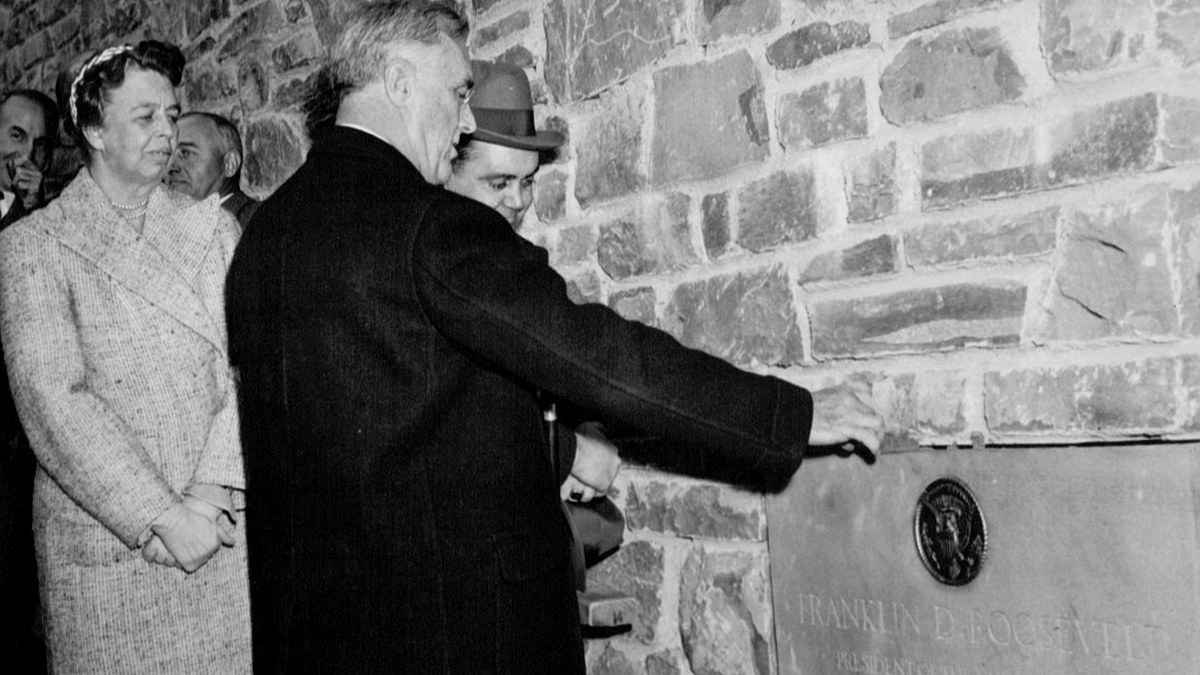
Franksgiving: The Year FDR Moved Thanksgiving
In 1939, President Roosevelt moved Thanksgiving up a week to help stores. The states split over which Thursday to keep. Here is how the holiday ended up on the fourth Thursday.
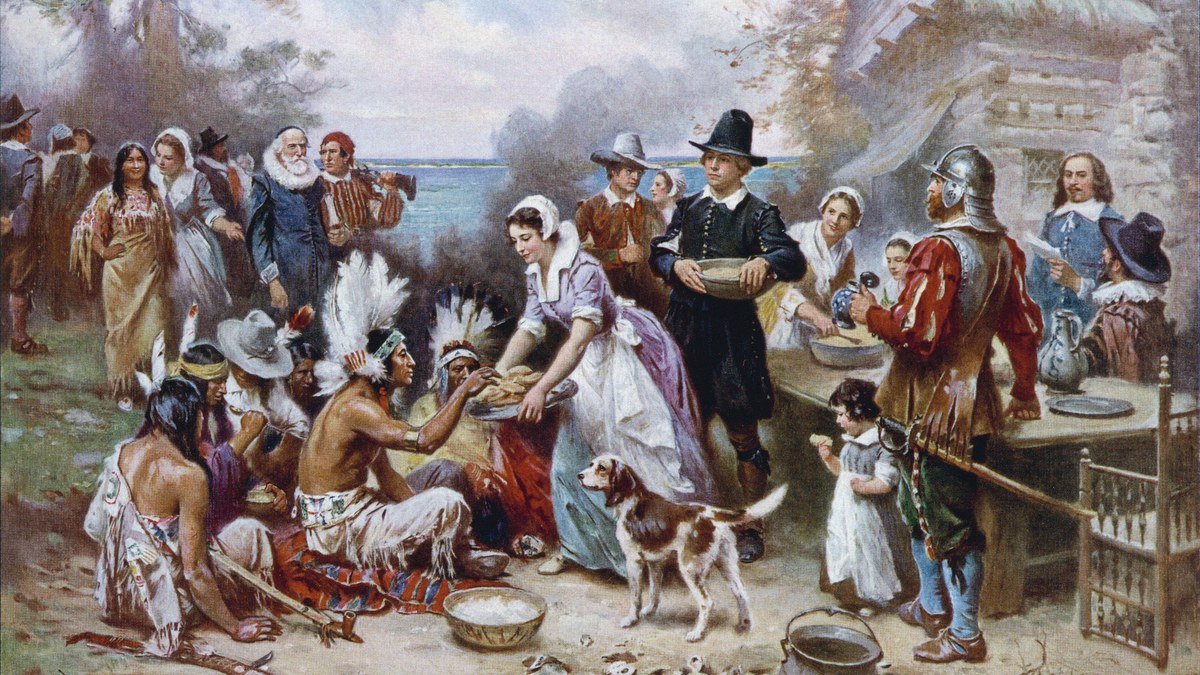
What the Pilgrims Really Ate at the First Thanksgiving
Only two firsthand accounts of the 1621 harvest feast survive. They mention deer and wild fowl, three days, and about ninety Wampanoag men. They never mention pie.
Did Paul Revere Really Shout "The British Are Coming"?
The line everyone learned isn't in any of Revere's own accounts. What he did that night, in his own words, is a better story than the poem.