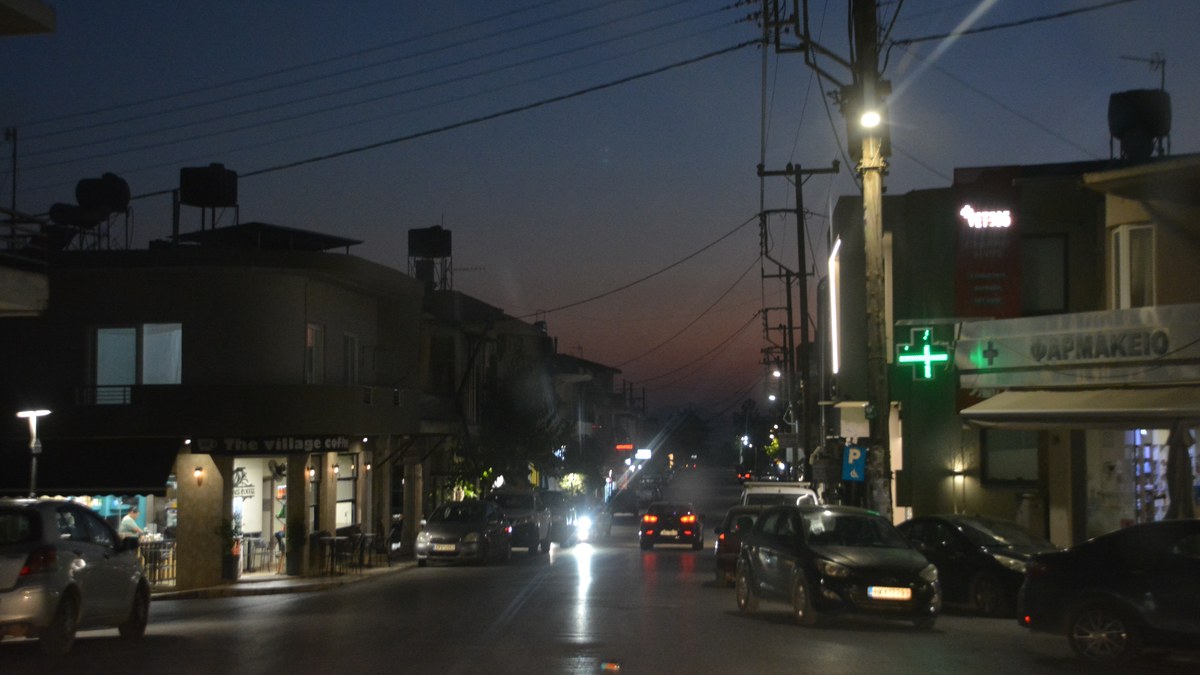
The church supper ran late. You climb into the car with a foil-wrapped slice of pie on the passenger seat, pull out of the lot, and the first set of oncoming headlights hits you like a camera flash.
The road's wet. The lane lines smear. You slow down, lean toward the windshield and tell yourself it'll clear up in a second.
If that's happening more often, you're not imagining it. After 60, eyes often take longer to adjust when the light changes, and glare from headlights and streetlights gets harder to handle. Cataracts and some medicines can make it worse. None of that means handing over your keys. It usually means a few smart changes.
- ✓Aging eyes may adjust more slowly between light and dark.
- ✓Cataracts can cause glare and trouble seeing at night.
- ✓Clean the glass, check your eyes, review medicines, and plan around darkness.
Why the dark feels darker now
The National Institute on Aging lists a handful of normal changes that come with age, and one of them is needing more time to adjust to changing light. You feel it the moment you leave a bright restaurant parking lot for an unlit county road. Your eyes are a beat behind.
Contrast is the other problem. A person in a dark coat, a bicycle or a pothole is harder to pick out against a dim background. Add oncoming headlights and rain scattering light across the windshield, and a road you've driven for decades can suddenly feel strange.
Cataracts are a big one. The National Eye Institute says they can cause blurry or hazy vision, faded colors, sensitivity to light, halos around lights and trouble seeing at night. More than half of Americans age 80 or older either have cataracts or have had surgery for them.
That said, not every bit of glare is a cataract. Dry eyes, an old prescription, glaucoma, macular degeneration and other problems can all blur the picture. An eye exam can sort out what squinting at the dashboard can't.
Fixes that actually help
Start with the glass. Clean the windshield inside and out, especially that hazy film on the inside that lights up the second a car comes toward you. If the headlight covers have gone cloudy, clean those too. Turn the dashboard lights down so they're not competing with the road.
Don't stare into oncoming headlights. Let your eyes drift to the right edge of your lane and keep the other car in your side vision. Leave more room behind the car ahead, and slow down when rain, fog or glare cuts what you can see.
Check your glasses. If you need them to see far away while driving, NIA says keep the prescription current and actually wear them. Skip the tinted "night driving" glasses and other gadgets that promise to fix glare until your eye doctor tells you what's causing it.
And get the exam. NIA says people 60 and older should have a dilated eye exam every 1 to 2 years. Your eye doctor may want to see you on a different schedule depending on your health and history.
Plan the trip instead of white-knuckling it
You don't have to prove you can drive every road at every hour. NIA suggests waiting or finding another way when night driving or bad weather is a problem. That might mean the early service instead of the evening one, lunch with friends instead of dinner, or letting someone else drive after dark.
For the trips you do make, stick to familiar, well-lit streets with less traffic. Leave before sunset when you can, and give yourself extra time so you're not rushing a left turn to beat the light.
Before you pull out, set the seat and mirrors while you're still parked. Put the phone away, switch off the dome light and give your eyes a minute to settle. If rain starts and the glare gets bad, don't bargain with it. Pull into a safe, well-lit spot or turn around.
Your ears and body matter here too. Missing a siren or a horn is a safety problem. So are stiff joints, weaker muscles, slower reflexes and health conditions that make it harder to turn your head, brake or react fast.
Check the medicine cabinet
Some medicines can make you drowsy, lightheaded or less alert, including some that don't carry an obvious driving warning on the front of the bottle. NIA recommends asking your doctor or pharmacist whether any of your medicines or health problems could make driving unsafe.
Don't stop a prescription because night driving has gotten harder. Make a list of everything you take, including over-the-counter products and sleep aids, and bring it in. Ask whether the timing, the combination or the side effects deserve a closer look.
New double vision, a sudden blind spot, flashes of light, a curtain-like shadow or sudden vision loss are a different story. Call your eye doctor right away, and don't drive yourself if you can't see safely.
When to call your doctor (or 911)
Call your eye doctor if headlights suddenly seem much brighter, road signs look blurry, you're leaning forward to see, or night driving has turned stressful. Call your doctor or pharmacist if drowsiness, dizziness or slower reactions might be coming from a medicine.
Before your next evening out, clean the inside of the windshield. It takes two minutes, and you'll see the difference at the very first set of headlights.
Fact-Checked Medical Sources
Last reviewed: November 2026 · Fact-checked & verified