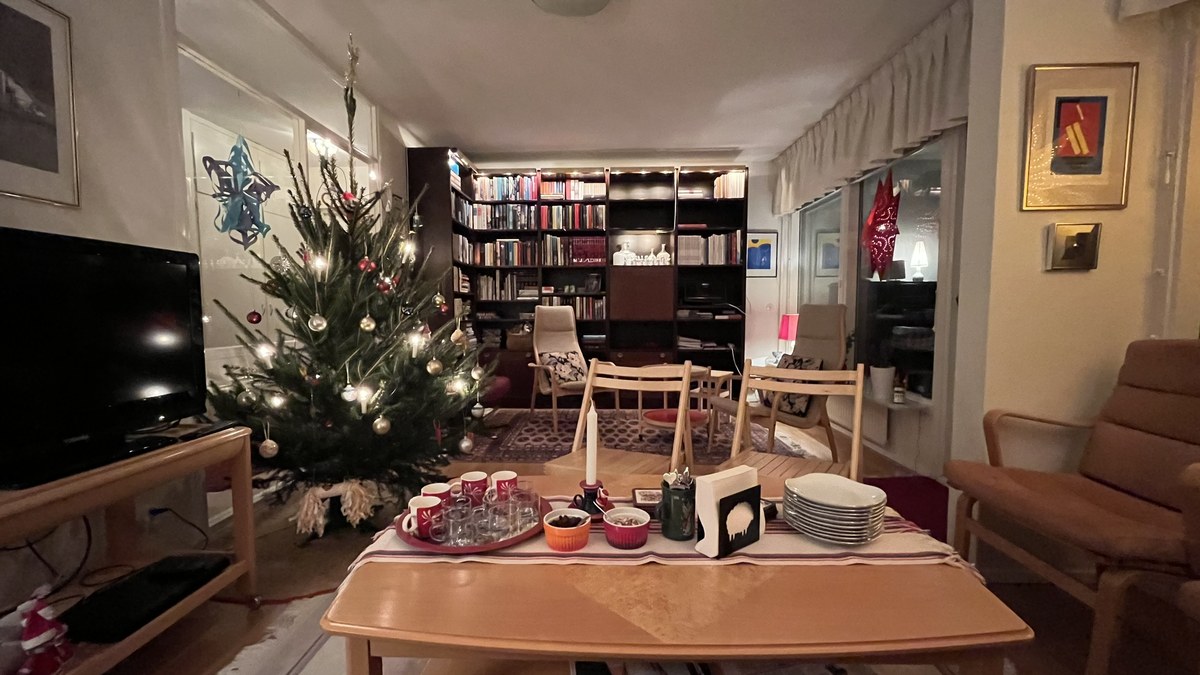
There is nothing like the smell of a real tree in the living room. But a tree that looked perfect on the lot can be dropping needles by Christmas Eve if it doesn't get enough water. The good news is that keeping a tree fresh is simple, and the same habits keep it safe.
Why it matters
The National Fire Protection Association (NFPA) says that from 2020 to 2024, Christmas trees started an average of 143 home fires a year, causing about 7 deaths, 13 injuries, and $15 million in property damage. Electrical problems were involved in nearly half of those fires, and in nearly one in four, a heat source was too close to the tree.
NFPA warns that trees get more flammable as they dry out. Fresh and safe go together.
1. Pick a fresh tree
NFPA's test is simple: choose a tree with fresh, green needles that don't fall off when you touch them. Run a branch gently through your hand. A few loose needles from inside the tree are normal; a shower of them is not.
2. Make a fresh cut
A cut trunk seals up and stops taking in water once the cut face dries out. So cut a fresh piece off the bottom before the tree goes in the stand.
How much? The sources differ. NFPA's tip sheet says to cut 2 inches from the base. The National Christmas Tree Association (NCTA) says a straight disk about 1/2 inch thick is enough. Either way, cut straight across and get the tree into water soon after.
3. Use a big enough stand
The NCTA says the stand should hold about 1 quart of water for every inch of trunk diameter. A tree with a 4 inch trunk needs a stand that holds about a gallon. Many small stands sold at the lot can't keep up.
4. Water every day, with plain water
Michigan State University Extension says a tree can use up to 1 quart of water a day for each inch of trunk diameter, and it often drinks the most in the first week.
- Check the stand every day, and twice a day at first. NFPA says to add water daily.
- Never let the water drop below the base of the trunk, says the NCTA. Once the cut end dries, the tree drinks much less.
- Use plain tap water. Michigan State says research shows tap water is enough, and to skip sugar, aspirin, bleach, and floral preservatives.
A small watering can or a turkey baster makes it easy to reach under the branches.
5. Put it in the right spot
- Keep it at least 3 feet from any heat source, NFPA says: fireplaces, radiators, space heaters, candles, heat vents, and lights.
- Keep it away from doorways and exits so it can't block your way out.
- Avoid sunny spots and heat registers, which dry it out faster.
6. Light it safely
NFPA's rules for lights:
- Use lights listed by a qualified testing laboratory.
- Replace strings with worn or broken cords or loose bulb connections.
- Turn off the tree lights before leaving the house or going to bed.
7. Know when it's time to go
NFPA says to get rid of the tree after Christmas or when it is dry. A dry tree is a fire risk. Signs it's done: needles falling when you brush past, branches that snap instead of bending, and a stand that stays full because the tree stopped drinking.
Don't leave a dried tree in the garage or propped against the house, NFPA warns. Check your town for curbside pickup or a recycling program, which often turns trees into mulch.
Families once lit their trees with real candles; you can see them in old photos of trees from a century ago. Thank goodness that changed. Today's rule is easier: a fresh cut, a big stand, plain water every day, and the lights off at bedtime.