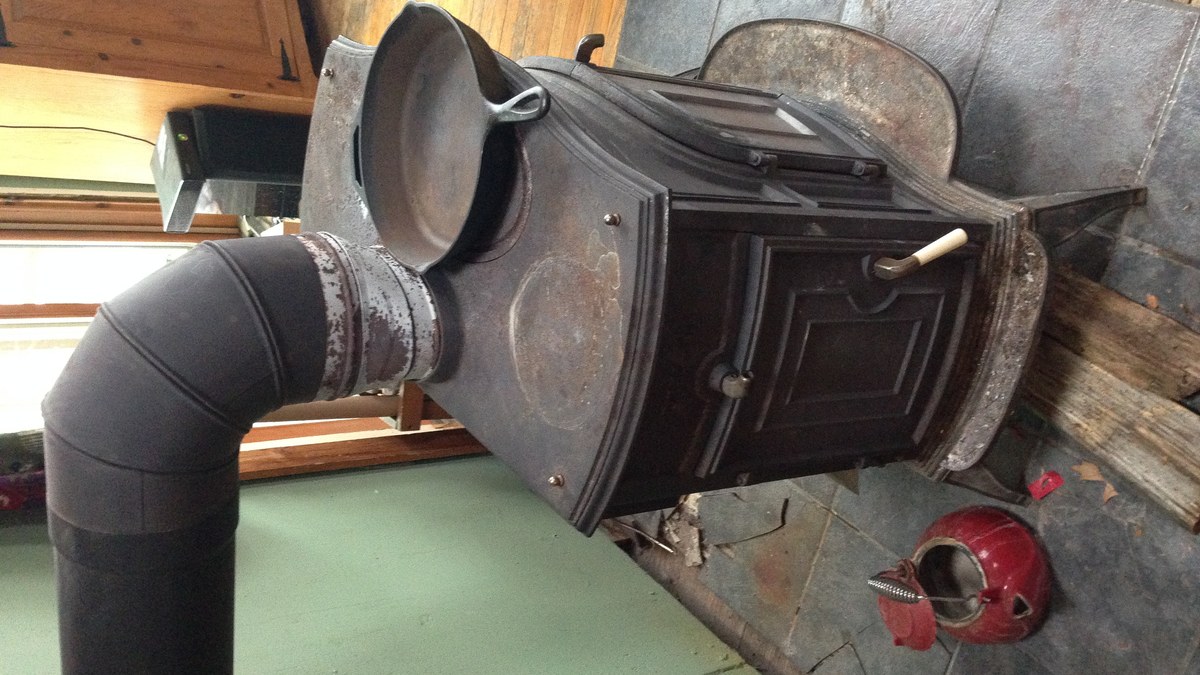
There is nothing like the heat from a wood stove on a cold November night. It warms you to the bones in a way a furnace never quite does. But a stove asks something of you in return: a clean chimney, dry wood, and a few habits that our grandparents knew by heart.
Heating is one of the leading causes of home fires in America. The National Fire Protection Association (NFPA) says heating equipment was involved in an average of about 37,365 home fires a year from 2020 to 2024, which is 11 percent of all home fires, with about 417 deaths a year. Almost half of those heating fires (46 percent) happen in December, January, and February.
The good news is that most chimney fires are preventable. Here is how.
What causes a chimney fire
The main culprit is creosote. When wood burns, the smoke carries gases, tiny bits of unburned wood, and moisture up the flue. As that smoke cools, it sticks to the inside of the chimney as a black or brown deposit. Creosote burns, and if enough of it builds up and catches, you have a chimney fire.
The Chimney Safety Institute of America (CSIA) says creosote builds up faster under three conditions:
- Restricted air. Closing the damper or air intake too far makes the fire smolder, and a smoky fire leaves more deposits.
- Wet wood. Unseasoned wood spends its energy boiling off water, so it burns cool and smoky.
- A cool chimney. Smoke that cools quickly in the flue drops more creosote on the way up.
CSIA describes creosote in three forms: a flaky, sooty layer that brushes off fairly easily, a crunchy or tar-like layer that is harder to remove, and a shiny, hardened glaze that is the most difficult to clean and the most dangerous.
Five habits that prevent most chimney fires
1. Get an inspection every year. CSIA and the NFPA 211 standard both say chimneys, fireplaces, and vents should be inspected at least once a year. A certified sweep will check for creosote, cracks, and blockages like bird nests, and will tell you whether a cleaning is needed. Fall is the best time, before you burn every day.
2. Burn only dry, seasoned wood. The EPA's Burn Wise program says wood should have a moisture content under 20 percent. Fresh cut wood can be far wetter than that. Our article on firewood covers how to tell if yours is ready.
3. Burn hot and bright, not low and smoky. Give the fire enough air to burn with bright flames. A fire that only smolders all night is a creosote factory.
4. Never use gasoline, kerosene, or lighter fluid to start or revive a fire. The EPA lists this as a basic rule. Use newspaper, dry kindling, or a firestarter made for stoves.
5. Burn only clean wood. No trash, cardboard boxes, wrapping paper, or painted and treated lumber. They burn too hot or too dirty and can leave dangerous deposits.
Keep the space around the stove clear
The U.S. Fire Administration (USFA) says to keep anything that can burn at least 3 feet away from heating equipment. That means firewood, kindling, blankets, newspapers, and the dog bed too.
Ashes deserve special respect, because they can hold heat for days. USFA says to put cooled ashes in a metal can with a lid and store it outside, at least 10 feet from your home. Never put ashes in a paper bag, a cardboard box, or a plastic bucket.
If you burn wood, you also need working carbon monoxide alarms. The NFPA recommends CO alarms outside each sleeping area and on every level of the home, tested once a month. Smoke alarms belong on every level too.
Warning signs of a chimney fire
Some chimney fires are loud and obvious. Others are slow and quiet and can go unnoticed while they damage the flue. Portland Fire & Rescue lists the signs of a fast-burning chimney fire:
- Loud cracking and popping noises
- A lot of dense smoke
- An intense, hot smell
- A low rumbling sound, like a freight train
What to do if a chimney fire starts
Benjamin Franklin designed his famous iron stove in 1742, and for generations many families cleaned their own flues by hand. The goal was the same then as now: burn dry wood and keep the chimney clean. What has changed is that today you can call a certified sweep, put a CO alarm on every floor, and keep a metal ash can by the door. Those three things are cheap insurance for a winter of warm, safe fires.